

Low Fat Gastrointestinal Dog Food Options


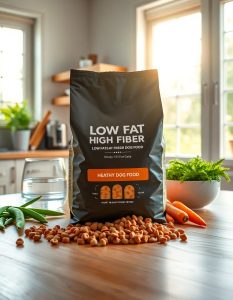
Dogs with gastrointestinal issues often need special care when it comes to their diet. Choosing the right food can help soothe their upset stomachs and keep their digestive systems running smoothly. One type of diet that veterinarians often recommend is low fat gastrointestinal dog food. This kind of food helps reduce the strain on a dog’s digestive tract while providing the nutrients they need to stay healthy and active.
Why Choose Low Fat Gastrointestinal Dog Food?
When a dog has problems with their stomach or intestines, fatty foods can make symptoms worse. Fat takes longer to digest and can cause discomfort, diarrhea, or vomiting. Low fat gastrointestinal dog food aims to reduce these risks by providing a diet that is easier on the digestive system. It usually contains carefully selected ingredients that promote healing and reduce inflammation, leading to better digestion and comfort.
Another big plus is that this type of dog food helps maintain a healthy weight. Excess body fat can put extra pressure on the digestive organs and make certain health issues more difficult to manage. By limiting fat intake, dogs avoid unnecessary weight gain while still getting plenty of energy from carbohydrates and proteins that are easier to digest.
Key Ingredients in Low Fat Gastrointestinal Dog Food
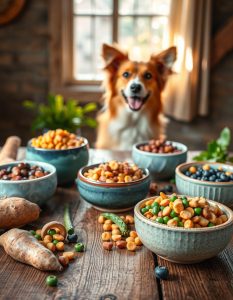
Good low fat gastrointestinal dog food includes ingredients that support digestion without overloading on fat. Here’s a quick breakdown:
| Ingredient | Purpose |
|---|---|
| Lean proteins (e.g., chicken, turkey, fish) | Provide essential amino acids with minimal fat |
| Highly digestible carbohydrates (e.g., rice, oats, barley) | Offer energy and are gentle on the stomach |
| Fiber (e.g., beet pulp, pumpkin) | Promote healthy bowel movements and gut health |
| Vitamins and minerals | Support overall health and immune function |
| Prebiotics and probiotics | Encourage beneficial gut bacteria growth |
Each of these elements plays a role in soothing the digestive system and providing balanced nutrition. For instance, fiber helps firm up stools and reduces diarrhea, while prebiotics and probiotics improve gut flora, which can be upset by illness or antibiotics.
Popular Brands and Options
There are many commercially available low fat gastrointestinal dog food options on the market. Here are some popular picks known for their gentle formulas and digestive benefits:
- Hill’s Prescription Diet i/d Low Fat: Formulated with prebiotic fiber and antioxidants to reduce stomach upset and inflammation.
- Royal Canin Gastrointestinal Low Fat: Includes digestible proteins and low fat to aid in fat absorption issues.
- Purina Pro Plan Veterinary Diets EN Gastroenteric Low Fat: Combines high digestibility with low fat content for sensitive stomachs.
- Blue Buffalo Natural Veterinary Diet GI Low Fat: Made with wholesome ingredients and added vitamins for gut health support.
Before switching your dog to any new food, especially if it’s prescription, always consult your vet to ensure it meets your dog’s specific health needs.
Homemade Low Fat Gastrointestinal Dog Food
If you enjoy cooking for your dog or want control over every ingredient, homemade low fat gastrointestinal dog food can be a smart choice. Just remember, balancing nutrients is key to avoid missing out on important vitamins or minerals.
Here’s a simple recipe to try:
| Ingredient | Amount |
|---|---|
| Boiled skinless chicken breast | 1 cup, chopped |
| Cooked white rice | 1 cup |
| Cooked pumpkin (pureed) | ¼ cup |
| Carrot (steamed and mashed) | ¼ cup |
| Fish oil (for omega-3 fatty acids) | 1 teaspoon |
Mix the ingredients well and serve at room temperature. Always check with your vet before making homemade meals a regular diet to ensure it offers all necessary nutrients.
How to Transition to Low Fat Gastrointestinal Dog Food
Switching your dog’s diet should be done gradually to avoid upsetting their stomach even more. Here’s a simple plan:
- Days 1-3: Mix 25% of the new low fat gastrointestinal dog food with 75% of the old food.
- Days 4-6: Increase new food to 50% and old food to 50%.
- Days 7-9: Mix 75% new food with 25% old food.
- Day 10: Serve 100% new food.
This slow transition helps your dog get used to the new taste and reduces digestive shock. Keep an eye out for any changes in appetite, energy, or bathroom habits during this period.
Signs Your Dog Might Need Low Fat Gastrointestinal Dog Food
Not every dog needs a special diet, but if your furry friend shows these signs, it might be time to consider low fat gastrointestinal dog food:
- Frequent vomiting
- Chronic diarrhea or soft stools
- Loss of appetite or picky eating
- Excessive gas or bloating
- Weight loss despite normal eating habits
Remember, these symptoms should be evaluated by a veterinarian. They can diagnose the problem and recommend the best diet plan to support your dog’s recovery.
Additional Tips for Dog Owners
Alongside feeding low fat gastrointestinal dog food, there are ways to help your dog feel better:
- Feed smaller, more frequent meals to ease digestion.
- Ensure your dog drinks plenty of fresh water.
- Avoid giving table scraps or fatty treats that can upset their stomach.
- Keep the feeding area clean and calm to reduce stress.
- Monitor your dog’s weight and overall condition regularly.
For those interested, there’s a great resource on high protein low fat snacks for diabetics that offers insights into balanced low fat nutrition, which can inspire some safe snack ideas for your dog as well.
Conclusion
Choosing the right food for a dog with digestive issues is crucial to their comfort and health. Low fat gastrointestinal dog food offers a gentle, nourishing option that helps soothe upset stomachs and supports recovery. Whether you opt for commercial diets or homemade meals, the key is to focus on easily digestible ingredients with low fat content. By paying attention to your dog’s needs, consulting your vet, and making gradual changes, you can give your furry friend the best chance to feel happy and healthy again. After all, a happy tummy often means a wagging tail!