



Low Fat American Cheese: Is It Good or Bad for Health?

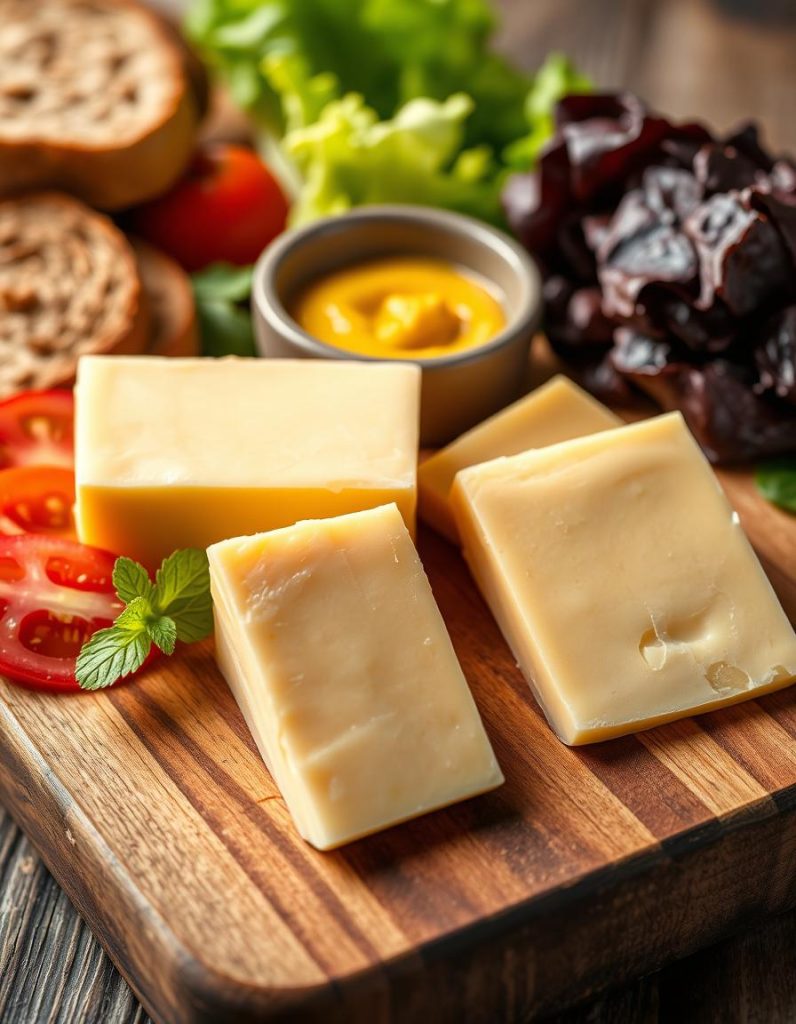
American cheese has long been a staple in many households, often melting perfectly on burgers or sandwiches. However, with growing concerns about health and nutrition, many people now choose low fat American cheese as an alternative. But is this option really better for your health, or is it just a clever marketing trick? Let’s explore the facts, benefits, and potential downsides of this popular dairy product to help you make informed choices about including it in your diet.
What Is Low Fat American Cheese?
Low fat American cheese is a processed cheese product made to contain less fat than regular American cheese. While traditional American cheese can have around 20-25% fat content, the low fat version reduces this significantly, often to 5% or less. This adjustment appeals to people wanting to cut down on fat intake without giving up the creamy, mild flavor they love.
The cheese is created by blending natural cheese with emulsifiers, milk, and sometimes whey protein, all processed to maintain a smooth texture and meltability. Because it’s processed, it tends to have a longer shelf life than natural cheeses, making it a convenient option for busy kitchens.
Nutrition Facts: How Does It Compare?
Understanding the nutrition profile can help decide if low fat American cheese fits your diet. Here’s a simple table comparing regular American cheese and the low fat version per 1-ounce serving:
| Nutrient | Regular American Cheese | Low Fat American Cheese |
|---|---|---|
| Calories | 100-110 | 60-70 |
| Total Fat | 8-9 grams | 2-3 grams |
| Saturated Fat | 5 grams | 1 gram |
| Protein | 5-6 grams | 5 grams |
| Calcium | 200 mg | 150 mg |
| Sodium | 400 mg | 350 mg |
As you can see, Low Fat American Cheese has significantly fewer calories and fat, especially saturated fat. Protein levels are quite similar, which is good news if you want to maintain muscle or feel full. The calcium content typically drops a bit but remains decent.
Health Benefits of Low Fat American Cheese
Reduced Fat and Calories Can Help Weight Management
Switching to low fat American cheese can reduce your daily calorie and fat intake, which may support weight loss or weight maintenance. Fat contains more than twice the calories per gram compared to protein or carbs, so cutting back can help balance your diet better.
Maintains Protein Intake
Protein is vital for repairing tissues, building muscles, and keeping you energized. Since low fat American cheese offers a similar amount of protein as regular cheese, you get these benefits without as much fat.
Source of Calcium and Vitamins
Cheese generally provides calcium, which is essential for strong bones and teeth. Low fat American cheese offers a reasonable level of calcium and also contains some vitamin D, which helps calcium absorption. This combination can aid in bone health when consumed as part of a balanced diet.
Potential Downsides to Consider
Processed Nature and Additives
Low fat American cheese is a processed product. It often includes emulsifiers, preservatives, and flavor enhancers to keep its texture and taste. Some people prefer to avoid such additives because they may irritate sensitive stomachs or contribute to other health concerns if eaten in excess.
Higher Sodium Content
Even though low fat American cheese has less fat, sodium levels remain relatively high. Excess sodium intake can raise blood pressure and increase the risk of heart issues over time. If you have hypertension or are salt-conscious, you might want to limit your portions or seek lower-sodium cheese alternatives.
Lower Fat Means Less Flavor for Some
Fat carries flavor, so low fat American cheese might taste less rich or creamy compared to its full-fat counterpart. This isn’t a health risk, but it might affect how much you enjoy your meals. Some find the trade-off worth it; others prefer the indulgence of regular cheese.
When to Choose Low Fat American Cheese
Here are some common situations where opting for low fat American cheese makes sense:
- You’re watching your calorie intake but want a cheesy flavor in your meals.
- You need to reduce saturated fat due to heart health concerns.
- You want to maintain protein intake without the extra fat load.
- You enjoy convenience and longer shelf life for quick meal options.
On the flip side, if you’re focused on minimizing processed foods or sodium, choosing natural cheeses like mozzarella or Swiss might be a better option.
How to Use Low Fat American Cheese in Your Diet
Low fat American cheese melts easily, making it great for sandwiches, burgers, or even homemade grilled cheese. It can also be chopped into salads or melted over vegetables for extra flavor. To keep meals healthy, balance your plate with fresh veggies, lean proteins, and whole grains.
One fun tip: pairing this cheese with fresh tomatoes and whole grain bread can create a tasty, balanced snack that won’t pack on unnecessary fats. And if you’re curious about natural ways to manage weight and improve health, you might want to check out this Mediterranean oil ritual for weight loss, which has gained attention for its potential benefits.
Frequently Asked Questions
Is low fat American cheese safe for people with lactose intolerance?
It contains less lactose than milk but still has some. People with mild intolerance might tolerate small amounts, but those with severe lactose intolerance should be cautious or choose lactose-free cheese.
Can kids eat low fat American cheese?
Yes, it can be a good source of calcium and protein for kids. Just be mindful of sodium intake, especially if they eat other salty foods throughout the day.
Does low fat American cheese lose its melting quality?
No, it melts well, which is why it remains popular on burgers and sandwiches. The texture stays smooth and creamy when heated.
Conclusion
Low fat American cheese offers a convenient, lower-calorie alternative to regular American cheese, making it appealing for those wanting to reduce fat intake without giving up flavor and protein. It can contribute positively to weight management and heart health goals if eaten in moderation. However, its processed nature and sodium levels mean it’s not a perfect choice for everyone, especially those avoiding additives or sodium.
Like any food, the key is balance. Combining low fat American cheese with plenty of whole, fresh foods will help you enjoy its taste and nutritional benefits without compromising your health. Whether it’s melting on a burger or sprinkled on a salad, this cheese can fit into a healthy diet, just keep an eye on portions and the bigger picture of overall nutrition.


