



How Many Calories Are in Low Fat Cottage Cheese

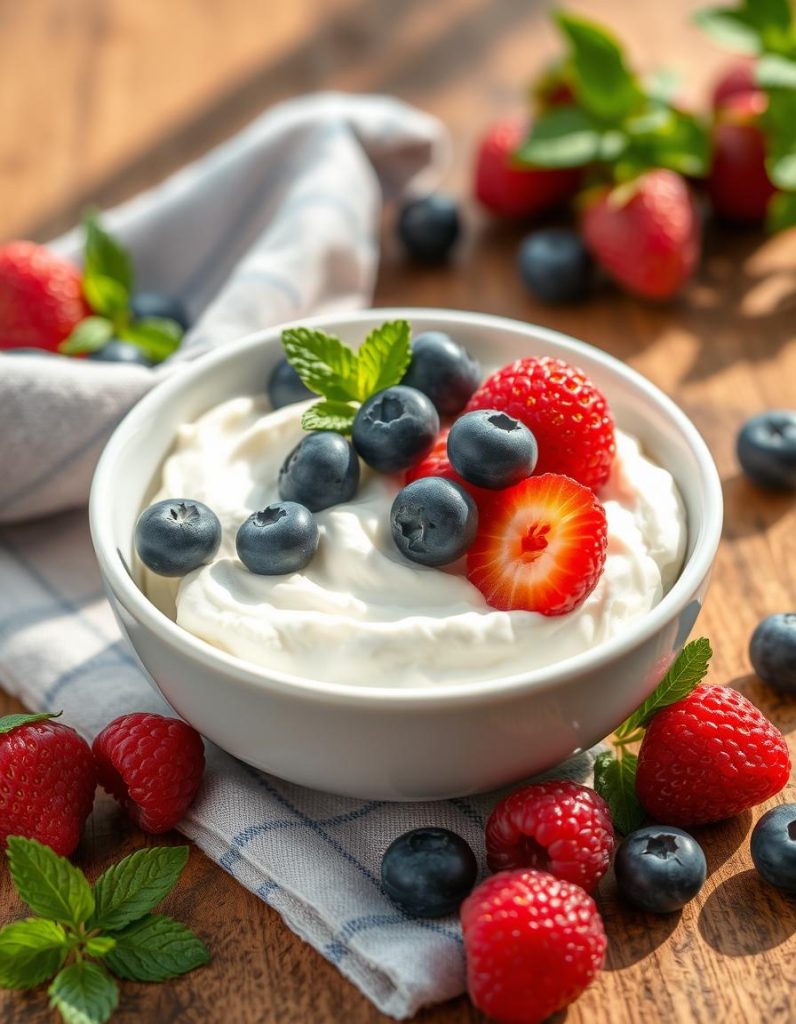
Cottage cheese has become a go-to choice for many people aiming to eat healthier or lose weight. It’s creamy, packed with protein, and surprisingly versatile in meals and snacks. But if you’re watching your calorie intake, understanding exactly how many calories are in low fat cottage cheese is important. After all, not all cottage cheese is created equal, and knowing the calorie count can help you make smarter food decisions.
What Is Low Fat Cottage Cheese?
Low fat cottage cheese is simply cottage cheese made from milk that has had some of the fat removed. Traditional cottage cheese can have a higher fat content, but the low fat version trims down the fat while keeping much of the texture and taste. This makes it a favorite for those who want that creamy flavor but with fewer calories and less fat.
Typically, low fat cottage cheese contains around 1-2% milk fat, compared to regular cottage cheese that can have 4% or more. This small change makes a noticeable difference in calories without compromising on protein levels.
How Many Calories Are in Low Fat Cottage Cheese?
When you check the nutrition label for low fat cottage cheese calories, you’ll usually find that a half-cup serving (about 113 grams) ranges between 80 to 100 calories. This depends on the exact fat percentage and any added ingredients.
| Type of Cottage Cheese | Calories per ½ cup (113g) | Fat Content | Protein Content |
|---|---|---|---|
| Regular Full Fat | 110 – 120 | 4% | 12g |
| Low Fat (1-2%) | 80 – 100 | 1-2% | 12-14g |
| Fat-Free | 70 – 90 | 0% | 13-15g |
So, if you want to reduce your calorie intake without sacrificing protein, low fat cottage cheese is a reliable option. It contains fewer calories than full fat versions but still delivers a good amount of protein to help keep you full and satisfied.
Why Does Fat Content Affect Calories?
Fat is the most calorie-dense nutrient, packing 9 calories per gram, compared to carbohydrates and proteins which both have about 4 calories per gram. So, when the fat content in cottage cheese drops, the overall calorie count drops too.
But here’s a catch: fat also enhances creaminess and flavor. That’s why some people find low fat cottage cheese a bit less rich. However, if you’re counting calories, swapping full fat for low fat cottage cheese can save you 20-40 calories every time you eat it.
Nutrition Breakdown of Low Fat Cottage Cheese
Besides calories and fat, low fat cottage cheese is packed with other nutrients that make it a healthy choice. Here’s a quick snapshot of what you get in a half-cup serving:
- Protein: Approximately 12-14 grams – excellent for muscle repair and feeling full.
- Calcium: Around 10-15% of the daily recommended intake, good for bones and teeth.
- Sodium: Can range from 300 to 400 mg – watch out if you’re limiting salt.
- Carbohydrates: About 3-5 grams – mostly from lactose (milk sugar).
Keep in mind that brands vary, so always check nutrition labels to find the option that suits your goals.
How to Use Low Fat Cottage Cheese in Your Diet
Cottage cheese is one of those unique foods that can be eaten sweet or savory, making it super flexible for meals or snacks. Low fat cottage cheese calories won’t add up quickly if you stick to reasonable portions, and because it’s high in protein, it can help keep those hunger pangs at bay.
Breakfast Ideas
- Top it with fresh fruit and a drizzle of honey for a sweet morning boost.
- Mix it with chopped veggies and herbs for a savory spread on toast or crackers.
- Blend it into smoothies for extra creaminess and protein power.
Snacks and Light Meals
- Spoon it over cucumber slices or whole-grain crackers for a quick snack.
- Use it as a topping on baked potatoes instead of sour cream for fewer calories.
- Stir into savory dishes like pasta or salads for added texture and nutrition.
Comparing Low Fat Cottage Cheese to Other Cheeses
If you like low fat cheese options, you might also be curious about similar products. For example, low fat mozzarella cheese options provide a great alternative for those who want a mild, creamy cheese with fewer calories and fat.
Compared to cheeses like cheddar or brie, low fat cottage cheese is much lower in calories and fat, making it a better fit for weight management or calorie-conscious diets. Plus, the high protein content makes it a standout choice for supporting healthy muscles.
Tips to Choose the Best Low Fat Cottage Cheese
When selecting low fat cottage cheese, keep these pointers in mind to get the most benefit:
- Check the label: Look for fat percentage and calorie counts to find a product that fits your needs.
- Watch sodium levels: Some brands add a lot of salt; if you’re sensitive, pick lower-sodium options.
- Look for minimal additives: Avoid brands with added sugars or preservatives for a cleaner product.
- Try different textures: Cottage cheese can be creamy or chunky—experiment to see what you like best.
Common Myths About Cottage Cheese and Calories
Some folks assume all cheeses are calorie bombs, but low fat cottage cheese breaks that stereotype. Others think that low fat versions taste bland. While it’s true they can be less rich, adding fresh herbs, fruits, or a splash of olive oil can bring out their flavor dramatically.
Also, people sometimes worry about lactose in dairy raising calories; but the carbohydrate content in cottage cheese is quite low, so it doesn’t have a big impact on total calories.
Making It Work for Your Goals
If you’re aiming to lose weight, building muscle, or just eat more healthfully, keeping an eye on low fat cottage cheese calories is smart. Because it’s filling and nutritious, including it regularly can help you maintain energy and curb cravings.
Remember, balance is key. Pair cottage cheese with fruits, nuts, or whole grains to create meals that satisfy both taste buds and nutritional needs. And don’t forget to enjoy it—eating well shouldn’t feel like a chore!
Conclusion
Low fat cottage cheese offers a tasty, protein-packed option with fewer calories than its full fat counterpart. With roughly 80-100 calories per half-cup serving, it’s a smart choice for anyone watching intake without sacrificing nutrition. Whether you’re adding it to smoothies, salads, or eating it by the spoonful, cottage cheese can fit easily into a healthy eating pattern.
By choosing varieties with minimal additives and keeping an eye on sodium, you can enjoy this versatile dairy product guilt-free. So next time you’re scanning the refrigerated aisle, remember that low fat cottage cheese calories can help you stay on track, without boring your taste buds.


