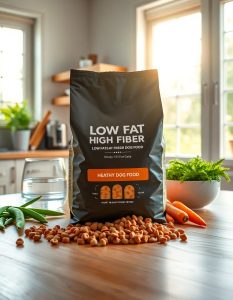


Low Fat Wet Dog Food for Pancreatitis


Pancreatitis in dogs is a serious condition that requires careful attention, especially to their diet. Feeding your furry friend the right type of food can make a big difference in managing this illness. One of the best dietary choices for dogs with pancreatitis is low fat wet dog food. This kind of food helps reduce the workload on the pancreas, allowing it to heal and function better. Understanding why and how to choose low fat wet dog food pancreatitis-friendly can be a game-changer for your pet’s recovery and quality of life.
What is Pancreatitis in Dogs?
Pancreatitis is an inflammation of the pancreas, an organ that plays a key role in digestion and blood sugar regulation. When the pancreas is inflamed, it can cause severe abdominal pain, vomiting, loss of appetite, and lethargy. Imagine your dog’s pancreas as a tiny chef working overtime to break down fats and proteins. When overwhelmed, it can get “burnt out,” leading to pancreatitis.
This condition can be acute (short-term) or chronic (long-lasting). In either case, managing the dog’s diet is crucial because the pancreas produces enzymes to digest fats. Too much fat can strain the pancreas and worsen the inflammation.
Why Low Fat Wet Dog Food is Important
One of the most important steps in managing pancreatitis is reducing fat intake. High-fat diets can trigger flare-ups and make your dog’s symptoms worse. Low fat wet dog food pancreatitis-appropriate formulas have less fat, which means the pancreas doesn’t have to work as hard. Wet food also has the benefit of added moisture, which can help keep dogs hydrated, especially if they’re not drinking enough water.
Besides being easier on the pancreas, wet food is usually more palatable. This is a big bonus because dogs with pancreatitis often lose interest in eating. Getting them to eat something tasty yet healthy can make all the difference during recovery.
Benefits of Wet Food for Dogs with Pancreatitis
- Low Fat Content: Less fat means less strain on the pancreas.
- Hydration: Extra moisture helps maintain fluid balance.
- Easy to Digest: Softer texture is gentle on the digestive system.
- Better Taste: Usually more appealing to a sick dog’s senses.
Choosing the Right Low Fat Wet Dog Food
Not all dog foods are created equal. When it comes to managing pancreatitis, you need to choose products thoughtfully. Here are some key factors to consider:
1. Fat Content
The fat percentage should be as low as possible, ideally below 10% on a dry matter basis. This helps prevent further irritation to the pancreas. Look for foods labeled specifically as “low fat” or consult with your vet for recommended brands.
2. Protein Quality
Dogs still need good protein for healing and energy. Choose foods with high-quality, easily digestible protein sources like chicken, turkey, or fish. Avoid fatty cuts of meat or protein sources high in fat.
3. Carbohydrates and Fiber
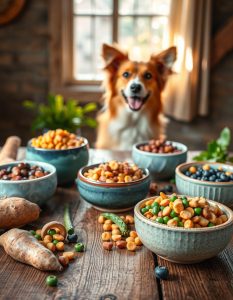
Complex carbohydrates and fiber can help with digestion and maintain steady energy levels. Ingredients like brown rice, sweet potatoes, or peas usually work well.
4. Avoid Ingredients That Trigger Inflammation
Skip foods with artificial preservatives, excessive fillers, or added sugars. These can worsen inflammation or upset your dog’s stomach.
| Feature | Ideal for Pancreatitis Diet | To Avoid |
|---|---|---|
| Fat | Below 10% | High fat meats, oils |
| Protein | Lean chicken, turkey, fish | Fatty beef, pork |
| Carbs | Sweet potatoes, rice, peas | Grains with fillers, corn |
| Preservatives | Natural preservatives like vitamin E | Artificial dyes, BHA, BHT |
How to Introduce Low Fat Wet Dog Food Pancreatitis Diet
Switching your dog’s food should be a gradual process to avoid upsetting their stomach. Try mixing a small amount of the new low fat wet dog food pancreatitis formula with the old food over 7-10 days. Slowly increase the new food portion while decreasing the old food.
During this time, watch your dog closely for any signs of discomfort, vomiting, or diarrhea. Any sudden changes can stress the digestive system. If you notice symptoms, slow the transition or consult your vet.
Tips for Feeding Dogs with Pancreatitis
- Feed smaller, frequent meals rather than one or two big ones.
- Keep fresh water available at all times.
- Maintain a calm, stress-free feeding environment.
- Monitor your dog’s weight to avoid obesity.
Common Mistakes to Avoid
Even with the best intentions, pet owners sometimes make errors that hinder healing. Here are some pitfalls that can delay recovery:
- Feeding High Fat Treats: Human foods like cheese, fatty meats, or table scraps can trigger a flare-up. By the way, a quick tip: if you ever wonder about dairy for your dog, checking low fat cheddar cheese nutrition can offer useful insights.
- Ignoring Hydration: Pancreatitis can make dogs dehydrated, so wet food is a better choice than dry kibble.
- Skipping Vet Follow-Ups: Regular check-ins are essential to track progress and tweak the diet if needed.
Examples of Popular Low Fat Wet Dog Foods
Finding the right brand can feel like searching for a needle in a haystack. Here are some popular low fat wet dog food options that many vets recommend for pancreatitis:
| Brand | Fat Content | Main Ingredients |
|---|---|---|
| Hill’s Prescription Diet i/d Low Fat | ~5% | Chicken, rice, barley |
| Royal Canin Veterinary Diet Gastrointestinal Low Fat | ~6% | Chicken, rice, fish oil |
| Blue Buffalo Basics Limited Ingredient Wet Food | ~8% | Turkey, potato, pea fiber |
When to Contact Your Vet
If your dog with pancreatitis shows worsening symptoms such as persistent vomiting, severe abdominal pain, or lethargy despite dietary changes, it’s time to get professional help. Pancreatitis can lead to complications if untreated, so don’t hesitate to seek veterinary care promptly.
Your vet can help you adjust the diet, prescribe medications, or provide fluids if dehydration is an issue. Remember, your dog’s pancreas is delicate and deserves the utmost care.
Conclusion
Managing pancreatitis in dogs requires a thoughtful approach to diet, and low fat wet dog food pancreatitis-friendly formulas are an excellent solution. These foods reduce the burden on the pancreas, support digestion, and offer hydration, all while enticing your dog to eat during tough times. By selecting low-fat, high-quality ingredients and avoiding harmful additives, you can help your furry companion recover and enjoy better health. Always communicate with your vet, monitor your pet’s response, and provide the love and care they need.