

Essential Guide to Low Fat Food for Dogs


Choosing the right diet for your dog is crucial, especially when health concerns like weight management, pancreatitis, or digestive sensitivity come into play. Low fat food for dogs can be a lifesaver in these situations, providing balanced nutrition while limiting excess fat that might cause issues. Whether you’re dealing with a pup watching their waistline or a senior dog requiring gentler meals, understanding what low fat dog food entails and why it matters can make a world of difference for your furry friend’s health.
Why Choose Low Fat Food for Dogs?
Fat is an essential nutrient, offering energy and helping absorb vitamins, but too much can cause weight gain and strain your dog’s organs. Dogs that are overweight or have certain health problems, like pancreatitis, need fewer fats to avoid complications. Low fat food for dogs reduces the fat intake while still meeting all other nutritional needs.
Imagine your dog’s diet like a recipe. Too much oil in a cake makes it greasy; too much fat in your dog’s food can lead to discomfort or disease. Offering the right balance keeps your pup happy, active, and healthy.
Health Benefits of Low Fat Food
- Weight control: Helps keep dogs at a healthy weight and reduces obesity-related risks.
- Improved digestion: Easier on sensitive stomachs and less likely to cause diarrhea or vomiting.
- Reduced pancreatitis risk: Low fat diets are essential for dogs prone to this serious inflammation of the pancreas.
- Better mobility: With less weight to carry, dogs often experience less joint pain and more energy.
What Makes Low Fat Food for Dogs Different?
Low fat dog food contains significantly less fat than standard options. While typical dog food might have fat content between 8% and 20%, low fat recipes usually sit between 2% and 8%. This reduction helps manage calories without sacrificing crucial nutrients.
Common Ingredients in Low Fat Dog Food
| Ingredient | Role | Fat Content |
|---|---|---|
| Lean meats (chicken breast, turkey) | Protein source with minimal fat | Low |
| Vegetables (carrots, peas) | Fiber and vitamins | Very low |
| Whole grains (brown rice, oats) | Energy and fiber | Low |
| Fish (cod, whitefish) | Lean protein, omega-3 fats in small amounts | Low to moderate |
What to Avoid
- Fatty meats like beef brisket or pork belly.
- High-fat dairy products such as cheese or cream.
- Added oils and fats for flavor or moisture.
- Snacks and treats that are fried or loaded with fat.
Feeding Tips to Ensure Success
Switching to low fat food for dogs is not just about picking a bag off the shelf—it’s about managing portions and providing consistent meals. Overfeeding, even low fat food, can lead to weight gain.
If your dog is picky, gradually mix the new food with their old diet over 7-10 days to avoid upset stomachs. Also, feed at regular times and avoid free-feeding (leaving food out all day).
Keep in mind, dogs also need some fat for healthy skin, brain function, and hormone production. The key is balance, not elimination.
Sample Daily Feeding Plan for a 30 lb Dog
| Meal | Food Type | Amount |
|---|---|---|
| Breakfast | Low fat kibble + steamed vegetables | 1 cup kibble + 1/4 cup veggies |
| Lunch | Homemade mix (boiled chicken breast + brown rice) | 1/2 cup chicken + 1/2 cup rice |
| Dinner | Low fat canned food | 3/4 cup |
Remember, always consult your vet to tailor feeding based on your dog’s unique health needs.
Fun Fact
Did you know some humans find cooking for their dogs just as rewarding as cooking for their family? If you’re trying out home-cooked meals for your furry pal, you might like to check out 15-minute low fat dinners for kids to get inspired with quick and healthy meal ideas that keep everyone smiling.
Common Myths About Low Fat Food for Dogs
- Myth: Dogs need a high-fat diet to stay energetic.
Reality: While fat provides energy, too much can cause health problems. A balanced diet is the key. - Myth: Low fat means less tasty.
Reality: Many dogs enjoy low fat meals, especially when flavors come from wholesome ingredients. - Myth: Only overweight dogs benefit.
Reality: Dogs with pancreatitis, digestive issues, or older dogs may also need low fat diets.
Choosing Commercial Low Fat Dog Food
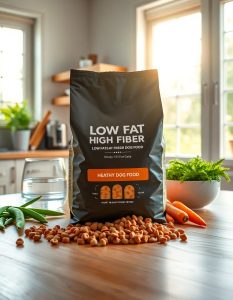
When buying prepared dog food, look for products labeled “low fat” or with fat content visibly lower than typical options. Check the ingredient list for lean proteins and whole foods rather than fillers or fats.
Brands vary in quality, so pick well-reviewed products or ask your vet for recommendations. Some dog foods are specially formulated for kidney disease or pancreatitis — these often have carefully controlled fat levels.
Checklist When Buying Low Fat Dog Food
- Fat content under 8% (dry matter basis preferred)
- High in lean protein
- Contains fiber-rich vegetables or grains
- No added fats or oils
- Meets AAFCO (Association of American Feed Control Officials) guidelines
Homemade Low Fat Dog Food Ideas
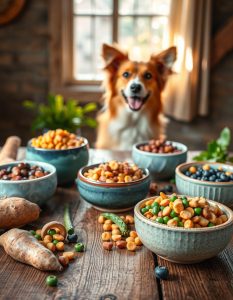
Cooking for your dog at home can be fun and rewarding. A simple meal might include boiled chicken breast, steamed carrots, and rice. Avoid adding oils or butter. Herbs like parsley add taste, but never use onions or garlic, which are toxic to dogs.
Here’s a quick recipe to get started:
| Ingredient | Amount | Benefit |
|---|---|---|
| Chicken breast (boiled, no skin) | 1 cup, shredded | Lean protein for muscle health |
| Brown rice (cooked) | 1/2 cup | Energy and fiber |
| Carrots (steamed and chopped) | 1/4 cup | Vitamins and fiber |
Mix well and serve at room temperature. Store leftovers in the fridge for up to 3 days.
Conclusion
Low fat food for dogs plays a vital role in managing certain health conditions and maintaining a healthy weight. By choosing the right ingredients and feeding thoughtfully, you can help your dog live a happier, longer life. Remember, fat isn’t the enemy—it’s about serving the right amount for your dog’s individual needs. Whether you opt for commercial formulas or homemade meals, always keep their well-being front and center.
Your pup will thank you with wagging tails and endless cuddles!