

Guilt-Free Cooking with Low Fat Pasta Sauce

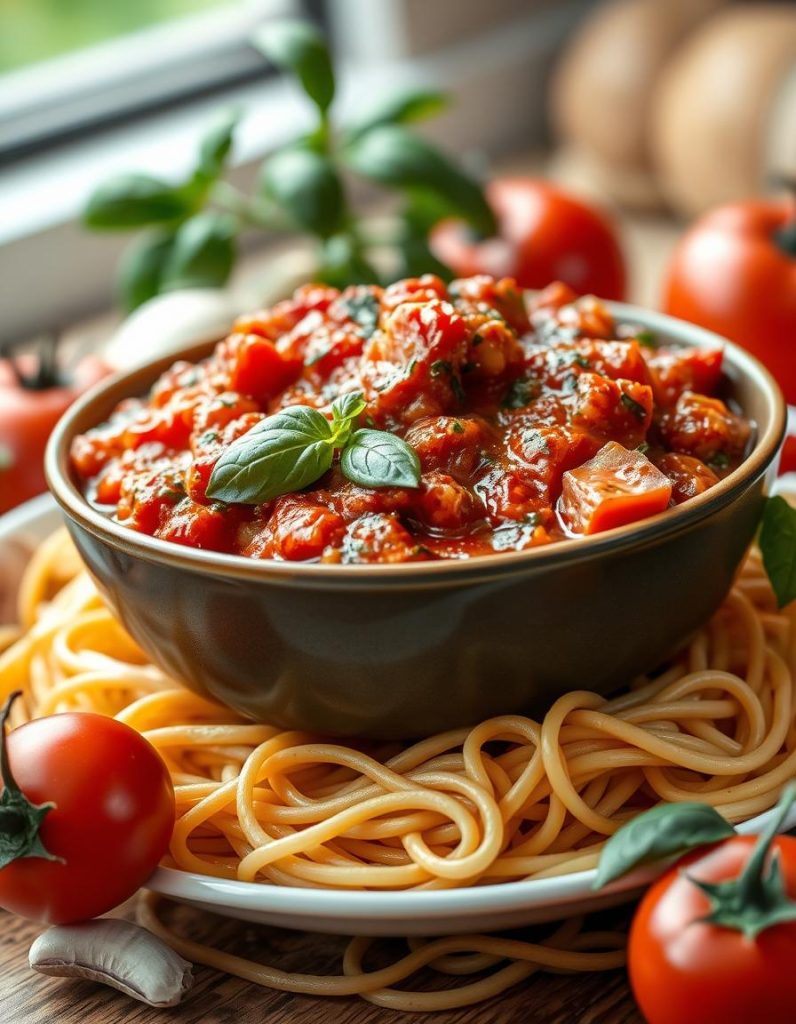
Craving a delicious pasta dinner but worried about the extra calories and fat in the sauce? You’re not alone. Many people love pasta but often hesitate because traditional sauces can be rich in fat and calories, making it feel like an unhealthy choice. The good news is that with low fat pasta sauce, you can enjoy all the flavors you love without the guilt. These sauces offer a lighter, healthier alternative that still packs a punch when it comes to taste.
Why Choose Low Fat Pasta Sauce?
Low fat pasta sauce is a smart choice for anyone looking to maintain a balanced diet while still enjoying comforting meals. Most standard pasta sauces contain cream, cheese, or oils that increase fat content. Opting for a low fat pasta sauce means fewer calories and less saturated fat, which can help support heart health and weight management.
Plus, many low fat sauces rely heavily on fresh vegetables, herbs, and spices to boost flavor. This means you get a rich and tasty sauce with the benefit of added nutrients like vitamins and antioxidants. It’s a win-win situation for taste buds and your body.
Ingredients to Look for in Low Fat Pasta Sauce
When shopping for or making your own low fat pasta sauce, keep these ingredients in mind. They help create a sauce that is both satisfying and health-friendly:
- Fresh tomatoes: The base of most pasta sauces. Fresh or canned, they are low in calories and high in vitamin C and lycopene.
- Garlic and onions: Add depth of flavor without adding fat.
- Fresh herbs: Basil, oregano, or parsley provide aroma and taste without calories.
- Spices: Chili flakes, black pepper, and paprika can add a kick and complexity.
- Vegetable broth or water: Used to thin the sauce without adding fat.
Avoid heavy creams, excessive oils, and large amounts of cheese if you want to keep the sauce truly low fat.
How to Make a Simple Low Fat Pasta Sauce at Home
Cooking your own low fat pasta sauce can be surprisingly easy and rewarding. Here’s a straightforward recipe that you can whip up in about 30 minutes:
| Ingredient | Quantity |
|---|---|
| Fresh tomatoes (chopped) or canned tomatoes | 4 cups |
| Garlic cloves (minced) | 3 |
| Onion (finely chopped) | 1 medium |
| Fresh basil leaves | 1/2 cup |
| Vegetable broth (low sodium) | 1/2 cup |
| Olive oil (optional, use sparingly) | 1 teaspoon |
| Salt and pepper | To taste |
Start by sautéing the onions and garlic in a teaspoon of olive oil or simply in a splash of broth if you want to avoid oil altogether. Once fragrant and translucent, add the tomatoes and vegetable broth. Let the sauce simmer for 20 to 25 minutes, stirring occasionally. Finally, stir in fresh basil, salt, and pepper. If you prefer a smooth sauce, blend it gently with an immersion blender.
Benefits of Eating Low Fat Pasta Sauce
Swapping traditional pasta sauces for low fat versions can make a real difference in your overall health and energy. Here are some benefits:
- Weight management: Lower fat content means fewer calories, helping those who want to shed a few pounds or maintain weight.
- Heart health: Reducing saturated fats supports better cholesterol levels and blood pressure.
- Digestive health: Many low fat pasta sauces include plenty of veggies and fiber, which aids digestion.
- Blood sugar control: Choosing sauces without added sugars helps maintain steady blood sugar levels. For a wider look at healthy foods, check out top low glycemic diet foods that complement a nutritious pasta dish perfectly.
Tips for Pairing Low Fat Pasta Sauce
Low fat pasta sauce works best when matched with thoughtful pasta types and sides. Here are some tips to get the most out of your meal:
- Choose whole grain or legume-based pasta: They add fiber and protein, keeping you full longer.
- Add lean proteins: Grilled chicken, shrimp, or beans blend nicely without adding unwanted fats.
- Include fresh vegetables: Toss in spinach, mushrooms, or bell peppers to boost nutrients and texture.
- Limit cheese: If you love cheese, opt for smaller amounts of low fat options like mozzarella or parmesan sprinkled on top.
Common Mistakes to Avoid
Even with low fat pasta sauce, some pitfalls can sneak in:
- Overloading on pasta: It’s easy to dish out too much pasta, which can add excessive calories.
- Adding too much oil: A little olive oil adds flavor, but too much increases fat content quickly.
- Using sugary store-bought sauces: Many jarred sauces hide added sugars which can counteract the health benefits.
Keeping these points in check will help you enjoy guilt-free pasta meals that nourish and satisfy.
Experimenting with Flavors
Low fat pasta sauce doesn’t mean boring. Feel free to experiment with different herbs and spices to find your favorite combination. Want a smoky taste? Try smoked paprika or a dash of cayenne. Craving something fresh? Lemon zest or chopped mint can brighten the dish.
Remember, cooking is part science, part art, and a whole lot of fun. The unique flavors you create will make your pasta dishes memorable and healthy at the same time.
Conclusion
Enjoying pasta without the guilt is absolutely possible with low fat pasta sauce. By choosing fresh ingredients, reducing oils and creams, and adding plenty of herbs and vegetables, you ensure a meal that’s light but bursting with flavor. These simple swaps and homemade sauces make healthy eating easy and enjoyable, helping you stick to your wellness goals while still savoring your favorite dishes. So next time you cook pasta, don’t shy away—grab a low fat pasta sauce and dig in with confidence!