



Low Fat Cottage Cheese Nutrition Facts You Need to Know

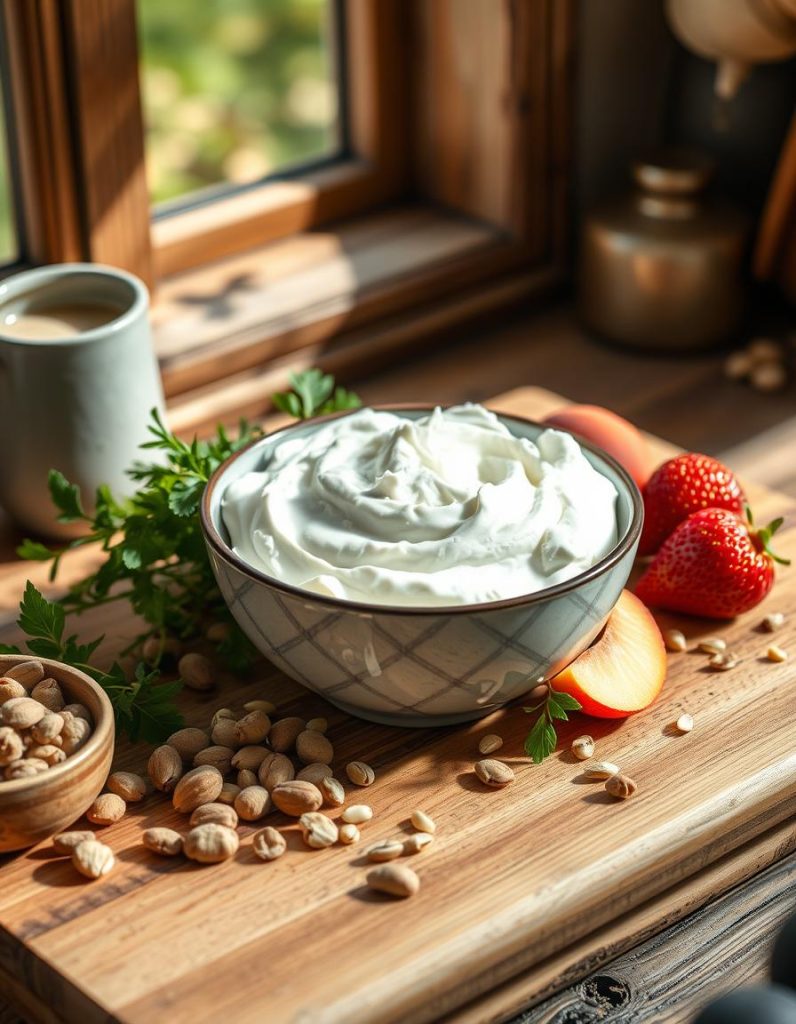
Cottage cheese is one of those foods that often flies under the radar but packs a punch when it comes to nutrition. Especially the low-fat variety, it’s a favorite among health-conscious folks looking for a tasty and versatile snack or meal addition. If you’ve ever wondered about the details behind low fat cottage cheese nutrition, you’re in the right spot. Let’s unwrap what makes this dairy delight a smart choice for many people.
What Is Low Fat Cottage Cheese?
Low fat cottage cheese is essentially the same as regular cottage cheese but with less fat content. Usually, it contains around 1-2% fat, compared to the full-fat version that can have 4% or more. This reduction in fat means you get fewer calories without losing much of the creamy texture or flavor. It’s made by curdling milk and then draining the whey, leaving behind the soft curds.
Because of its lower fat level, low fat cottage cheese is popular among those watching their calorie intake or trying to maintain a balanced diet. Yet, it still offers a comforting, mild taste that pairs well with fruits, veggies, or even on its own.
Breaking Down Low Fat Cottage Cheese Nutrition
Let’s take a closer look at what you get in a typical serving of low fat cottage cheese nutrition. Below is an approximate breakdown for 1 cup (about 210 grams) of low fat cottage cheese:
| Nutrient | Amount | Percent Daily Value* |
|---|---|---|
| Calories | 163 | 8% |
| Protein | 28 grams | 56% |
| Fat | 2-3 grams | 3-5% |
| Carbohydrates | 6 grams | 2% |
| Calcium | 138 mg | 14% |
| Sodium | 800 mg | 35% |
*Based on a 2,000 calorie daily diet.
Protein Powerhouse
One of the standout features of low fat cottage cheese nutrition is its high protein count. With about 28 grams per serving, it’s a fantastic source for muscle repair and growth. This makes it especially popular among athletes and people who want to keep their energy up while slimming down. Plus, protein helps keep you full longer, so it can be a great snack if you’re trying to avoid mindless munching.
Low Calories and Fat
Since the fat content is reduced, the calories are lower, too—making it a smart choice if you want to enjoy creamy dairy without excess calories. A few tablespoons can add richness to dishes without tipping the scale. But don’t worry, the flavor remains tasty and satisfying. For those who love cheese but want to keep an eye on fat intake, it’s a win-win.
Calcium and Other Nutrients
Cottage cheese provides a decent amount of calcium, which supports bone health. It also contains B vitamins like riboflavin and vitamin B12, which are important for energy and brain function. However, one thing to watch is the sodium content. Low fat cottage cheese can be on the saltier side, so if you’re watching your blood pressure, it’s good to balance it with lower-sodium foods during the day.
Health Benefits of Low Fat Cottage Cheese
Eating low fat cottage cheese comes with several perks beyond just its basic nutrition facts.
- Supports weight management: The high protein and low calorie content make it easier to feel satisfied without overeating.
- Promotes muscle health: Protein is key for muscle maintenance, especially if you’re active or aging.
- Helps bone strength: Calcium and phosphorus help keep bones dense and strong.
- Versatile and easy: It can be eaten plain, mixed into smoothies, or used in recipes, making it simple to add to your diet.
Since it’s low in fat but still creamy, it can also be a good substitute in dishes that usually call for heavier cheeses or cream, helping to reduce overall saturated fat intake.
How to Incorporate Low Fat Cottage Cheese Into Your Diet
If you aren’t already snacking on or cooking with low fat cottage cheese, here are some fun and easy ways to include it in your meals:
- Breakfast boost: Top it with fresh fruit, honey, or a sprinkle of cinnamon for a tasty start to your day.
- Salad enhancer: Add spoonfuls to green salads or grain bowls for extra protein.
- Healthy dips: Blend it with herbs and spices to make a creamy dip or spread.
- Baking substitute: Use it in pancakes or muffins to keep baked goods moist but light.
- Snack straight-up: Sometimes, a simple bowl of cottage cheese with sliced tomatoes or cucumber is all you need.
Comparing Low Fat Cottage Cheese to Other Cheeses
When it comes to choosing cheese, low fat cottage cheese holds a unique spot. It’s much lower in fat and calories than many traditional cheeses like cheddar or brie. Plus, its high protein makes it a better choice if you want to feel full and energized. For a quick peek, here’s how 1 cup of low fat cottage cheese stacks up against similar portions of some popular cheeses:
| Cheese Type | Calories | Protein (g) | Fat (g) |
|---|---|---|---|
| Low Fat Cottage Cheese | 163 | 28 | 2-3 |
| Cheddar Cheese (Full Fat) | 450 | 28 | 37 |
| Mozzarella (Part Skim) | 320 | 28 | 22 |
As you can see, low fat cottage cheese offers similar protein with a fraction of the calories and fat. If you crave cheese but want to keep it light, it’s a solid pick.
For those curious, you might also want to check out low fat cheddar cheese nutrition for a broader understanding of cheese options that keep fat intake in check.
Things to Keep in Mind
While low fat cottage cheese has lots going for it, here are a couple of points to remember:
- Sodium content: Some brands add quite a bit of salt, so check labels if you’re sensitive to sodium.
- Lactose intolerance: Cottage cheese contains lactose, so if you’re lactose intolerant, proceed carefully or look for lactose-free options.
- Additives: Some versions have added thickeners or preservatives. If you want a cleaner option, look for minimal ingredients.
Conclusion
Low fat cottage cheese nutrition brings a lot to the table—literally and figuratively. It’s a nutrient-dense, high-protein, and lower-calorie alternative to many other cheeses and dairy products. Whether you’re someone who likes to stay active, wants a healthy snack, or simply enjoys a creamy, versatile ingredient, this cheese deserves a spot in your fridge. Keep an eye on sodium and portion sizes, and you’ll find it’s a tasty way to fuel your body without extra guilt.


