

Royal Canin Low Fat Dog Food: Complete Review and Health Benefits


Choosing the right dog food can feel a bit like trying to pick the perfect recipe for a picky eater. For dogs that need a little extra care with their weight or digestion, finding a low-fat food option that still meets their nutritional needs is key. Royal Canin Low Fat Dog Food offers a solution that many pet parents appreciate. This specialized dog food aims to support your furry friend’s health without sacrificing taste or essential nutrients.
What Is Royal Canin Low Fat Dog Food?
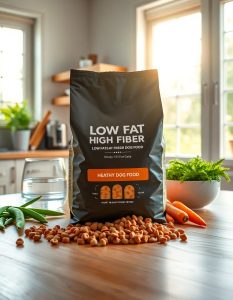
Royal Canin Low Fat Dog Food is a veterinary diet formula created especially for dogs that require a lower fat intake. Whether your dog is overweight, has pancreatitis, or other digestive issues, this food is made to help manage these conditions effectively. It provides balanced nutrition while keeping fat content carefully limited.
Unlike typical dog foods that can sometimes have high fat levels, Royal Canin focuses on providing fewer calories from fat, making it easier to control weight and improve digestive health.
Key Features
- Low fat content to support weight management and digestive health
- High digestibility to reduce strain on the digestive system
- Rich in essential nutrients like protein, vitamins, and minerals
- Formulated with antioxidants to support the immune system
- Balanced fiber content to help maintain healthy bowel function
Health Benefits of Royal Canin Low Fat Dog Food
Weight Management Made Easier
One of the main reasons dog owners turn to royal canin low fat dog food is to help their pets shed extra pounds or maintain a healthy weight. Combining lower fat content with enough protein keeps dogs feeling full without loading them with unnecessary calories. The result is a happier, more energetic pet that’s less likely to suffer from weight-related diseases like diabetes or joint problems.
Supports Digestive Health
Dogs with digestive troubles require food that is gentle on the stomach. The formula is easy to digest and includes prebiotics and fibers that promote healthy gut bacteria. This helps reduce the chances of diarrhea, constipation, and other common tummy issues that can leave your dog feeling miserable.
Helps Manage Pancreatic Conditions
Pancreatitis and other pancreatic diseases often require dogs to eat food with very low fat. Royal Canin Low Fat Dog Food fits the bill by limiting fat without skimping on nutrition, helping to avoid flare-ups and giving the pancreas a much-needed break.
Ingredients Breakdown
| Ingredient | Purpose |
|---|---|
| Chicken Meal | High-quality protein source for muscle maintenance |
| Brown Rice | Provides digestible carbohydrates and energy |
| Beet Pulp | Supports healthy digestion through fiber |
| Fish Oil | Source of Omega-3 fatty acids for coat and immune health |
| Natural Antioxidants | Helps protect cells from damage |
How to Transition Your Dog
Switching to a new food can sometimes upset a dog’s stomach, so it’s best to introduce royal canin low fat dog food gradually. Start by mixing a small amount with your dog’s current food and slowly increase the new food portion over 7–10 days. This slow transition helps your dog’s system adjust without any issues.
Tips for Feeding Low Fat Dog Food
- Measure portions carefully to avoid overfeeding
- Keep fresh water available at all times
- Use treats sparingly, choosing low-fat options
- Consult your vet regularly to monitor your dog’s weight and health
If you enjoy preparing meals with health-conscious ingredients, you might find inspiration in low sodium low fat salad dressings. These can complement a balanced diet for you, just like the right dog food does for your pet.
Who Should Consider Royal Canin Low Fat Dog Food?
This diet is particularly helpful for dogs dealing with:
- Obesity or overweight issues
- Pancreatitis or pancreas-related problems
- Digestive sensitivities
- Older dogs with slower metabolisms
It’s always best to check with your veterinarian before making any major changes to your dog’s diet because every dog is different, and nutritional needs vary widely.
Customer Experiences
A pet parent shared that her Beagle struggled with weight and occasional vomiting. After switching to royal canin low fat dog food, she noticed improvements in her dog’s energy levels and fewer tummy troubles. Another owner of a senior Labrador mentioned that the food helped manage their dog’s pancreatitis symptoms while keeping his coat shiny and healthy.
These stories highlight how this food can make a tangible difference in daily life for dogs and their owners.
Pros and Cons Summary
| Pros | Cons |
|---|---|
| Supports weight control | Only available through veterinary channels |
| Helps digestive health | May be pricier than regular dog food |
| Good taste dogs tend to enjoy | Not suitable for very active dogs needing more fat |
| Balanced nutrition with antioxidants | Requires slow transition to avoid stomach upset |
Conclusion
For dogs needing a lower fat diet, royal canin low fat dog food provides a thoughtful, balanced option that supports weight and digestive health. Its carefully selected ingredients and attention to nutrient balance make it a reliable choice for managing certain health conditions. Switching your pet to this food can be a smooth process that leads to better overall wellbeing.
While it’s not the cheapest option on the market, the benefits your dog gains can be well worth the investment. With royal canin low fat dog food, your furry friend can enjoy meals that are both tasty and good for them, helping them stay lively and healthy for years to come.