

Low Fat Dog Kibble: Options and Benefits


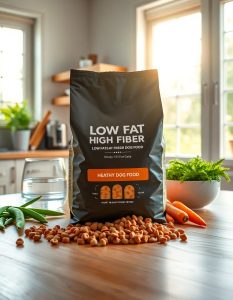
Choosing the right diet for your dog can be a bit like picking the perfect outfit—comfort and fit matter a lot. When it comes to dog food, one popular choice gaining attention is low fat dog kibble. This type of food is especially helpful for dogs that need to shed some weight or those dealing with certain health problems. Low fat dog kibble offers a balance of nutrition without the extra grease that might slow down your furry friend’s progress towards a healthier lifestyle.
What Is Low Fat Dog Kibble?
Low fat dog kibble is simply dry dog food that contains less fat than regular dog kibble. Fat is an important source of energy, but too much can lead to weight gain and other health issues. By cutting down on the fat content, low fat kibble helps dogs maintain a healthy weight without sacrificing essential nutrients. It’s a smart choice for dogs who don’t get much exercise or those prone to obesity.
Besides weight management, veterinarians often recommend low fat dog kibble for dogs with pancreatitis or digestive problems. These dogs require foods that are gentle on their systems and lower in fat to avoid triggering symptoms.
Benefits of Low Fat Dog Kibble
Weight Control
Extra pounds on your dog can lead to joint pain, reduced mobility, and even a shorter life span. Low fat dog kibble provides a calorie-conscious way to help dogs slim down while still enjoying their meals. It doesn’t starve them but ensures the calories come from carefully selected sources that keep energy steady.
Better Digestion
Dogs with sensitive stomachs or conditions like pancreatitis benefit greatly from low fat diets. Fat takes longer to digest and can sometimes upset a delicate digestive tract. By providing fewer fats, low fat kibble helps prevent tummy troubles and keeps your dog feeling comfortable.
Healthier Skin and Coat
You might think fat is bad for your dog’s fur, but some fats are actually essential for a shiny coat. Low fat kibble focuses on healthy fats in smaller amounts, ensuring your dog’s skin stays moisturized and their fur gleams without excess oils that can cause skin issues.
Common Ingredients in Low Fat Dog Kibble
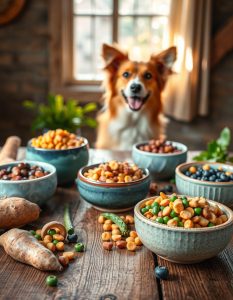
Low fat dog kibble typically includes lean proteins, whole grains, and fiber sources to fill up your pup without packing on fat. Here’s a quick look at some common ingredients:
| Ingredient | Role | Why It’s Good in Low Fat Kibble |
|---|---|---|
| Chicken breast | Lean protein | Provides essential amino acids with less fat compared to dark meat |
| Brown rice | Carbohydrate | Easy to digest and provides slow-releasing energy |
| Sweet potatoes | Fiber & carbs | Supports digestion and keeps your dog feeling full longer |
| Peas | Fiber & protein | Good source of fiber and plant-based protein without fat |
| Fish oil (small amounts) | Healthy fats | Rich in Omega-3s for skin and coat health |
Options for Low Fat Dog Kibble
There’s no shortage of low fat dog kibble choices on the market today. Here are some popular brands and formulas that dog owners swear by:
- Hill’s Prescription Diet w/d – Often prescribed for dogs with weight issues or diabetes, this kibble is low in fat and high in fiber to keep blood sugar stable.
- Blue Buffalo Healthy Weight – Combines lean proteins with nutrient-rich veggies and whole grains, striking a balance between taste and health.
- Royal Canin Satiety Support – Designed to help dogs feel fuller longer, it’s great for weight management with controlled fat content.
- Wellness CORE Reduced Fat – High protein, grain-free formula with 25% less fat than the regular Wellness CORE formula.
Remember, it’s important to talk to your vet about which kibble fits your dog’s unique needs. Sometimes switching to a low fat dog kibble can feel like changing lanes on a busy highway, but with proper guidance, your pup will be cruising smoothly in no time.
How to Transition Your Dog to Low Fat Kibble
Dogs can be picky eaters—some even treat food like a treasure hunt. Suddenly switching their diet might cause them to turn their noses up at their bowl. To avoid that, introduce the new low fat dog kibble gradually.
- Start by mixing 25% low fat kibble with 75% of their current food for about 3 days.
- Increase the new kibble to 50% for the next 3-4 days.
- Move to 75% low fat kibble after that, and then fully transition by day 10.
This slow shift helps your dog’s digestive system adjust and gives them time to get used to the new flavors and texture.
Common Mistakes to Avoid
Here are some pitfalls dog owners often fall into when switching to low fat dog kibble:
- Ignoring portion sizes: Even with low fat kibble, feeding too much can still lead to weight gain.
- Mixing treats and snacks: High-fat treats can undo all the good work of a low fat diet.
- Skipping vet check-ups: Weight loss should be monitored professionally to ensure your dog’s health stays on track.
Understanding Fat in Your Dog’s Diet
Fat isn’t the villain it’s made out to be. It provides energy, helps absorb vitamins, and supports cell growth. The trick is finding the right balance. Too much fat may cause problems, but too little can leave your dog lacking vital nutrients. Low fat dog kibble aims to strike that balance—enough fat to fuel and nourish without tipping the scales.
If you’re curious about fat content in other foods, you might find this article on low fat ranch calories interesting. It breaks down the truth about low fat claims and marketing spin, a clever read even for dog parents!
When to Consider Low Fat Dog Kibble
Not every dog needs low fat food, of course. Here are some signs and situations that might call for it:
- Your dog is overweight or obese.
- Your vet has diagnosed pancreatitis or similar health issues.
- Your dog is less active due to age or injury.
- You want to maintain healthy weight after a diet plan.
Choosing low fat dog kibble can be a wise step if you recognize any of these factors.
Tips for Supporting Your Dog’s Weight Loss
Changing food is powerful, but it’s only part of the picture. To help your dog get into tip-top shape, consider these extra tips:
- Regular exercise: Even a short daily walk can burn calories and boost mood.
- Portion control: Measure food instead of free feeding, so you know exactly how much your dog eats.
- Healthy treats: Substitute high-fat snacks with low-calorie options like baby carrots or green beans.
- Consistent feeding schedule: Keeps metabolism steady and helps regulate appetite.
Conclusion
Low fat dog kibble offers a smart, balanced way to support your dog’s health, whether it’s for weight management or medical reasons. By reducing fat without cutting essential nutrients, it helps your canine friend stay energetic and happy. Remember to consult your vet before making any big dietary changes, and introduce new food gradually to keep mealtime enjoyable. With the right kibble and a little TLC, your dog can look forward to wagging tails and healthy days ahead.