

GI Low Fat Dog Food Options


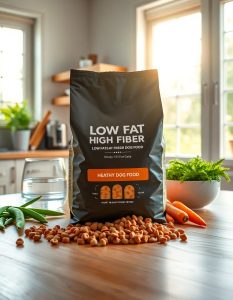
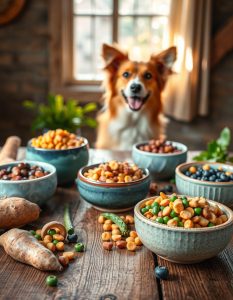
Feeding a dog with gastrointestinal (GI) issues can be a bit like walking a tightrope—you want to keep them healthy and happy without upsetting their sensitive tummy. That’s where gi low fat dog food options come in handy. These specially formulated foods are crafted to ease digestion while keeping fat levels low, which is important because high-fat diets can sometimes worsen GI problems in dogs. If your furry friend struggles with stomach sensitivity or digestive troubles, understanding and choosing the right low-fat diet can make a huge difference in their comfort and overall health.
Why Choose GI Low Fat Dog Food?
Dogs with GI issues often suffer from symptoms like vomiting, diarrhea, or gas. Feeding them fatty foods can make these symptoms worse, so low-fat diets help reduce the digestive load. Low-fat dog foods reduce the chance of inflammation and help the gut heal or stay calm. This doesn’t mean your dog sacrifices nutrition or flavor. Actually, many low-fat options pack enough protein and nutrients to keep your pup energetic and satisfied.
Think of it like this: high-fat foods can be a heavy meal for a sensitive stomach, but low-fat options act like a light snack that’s easier to digest. Plus, when the fat content is lower, the pancreas has to work less hard, which is great for dogs with pancreatitis or other digestive issues.
Key Ingredients to Look for in GI Low Fat Dog Food
Not all low-fat dog foods are created equally. Here’s what you should watch for:
- Lean Proteins: Ingredients like chicken breast, turkey, or fish are great because they provide protein without too much fat.
- Digestible Carbohydrates: Rice, sweet potatoes, and oats are gentle on the stomach and help provide energy.
- Fiber: Moderate fiber, from sources like pumpkin or beet pulp, helps regulate digestion without causing irritation.
- Limited Additives: Avoid artificial colors, flavors, and preservatives that might upset sensitive guts.
This combination helps ensure your dog receives essential nutrients while giving their digestive system a break.
Proteins That Promote Easy Digestion
Protein is vital for dogs, but some proteins are easier to digest than others. Chicken and fish tend to be favorites for dogs with GI issues because they’re less fatty and less likely to cause upset. You might want to avoid beef or pork, which can be harder to digest and higher in fat content.
Carbs That Support GI Health
Carbohydrates are often misunderstood, but they play a helpful role in dog food, especially for digestion. Simple carbs like white rice are gentle on the tummy, while complex carbs like sweet potatoes provide lasting energy. A balance of both can help maintain steady blood sugar and keep your dog feeling full without triggering digestive problems.
Popular GI Low Fat Dog Food Options Available
There are many commercial options for gi low fat dog food, but it’s important to choose one that suits your dog’s specific health needs. Here’s a handy table listing some popular brands that focus on low-fat, GI-friendly recipes:
| Brand | Main Features | Fat Content | Protein Source |
|---|---|---|---|
| Hill’s Prescription Diet i/d Low Fat | Clinically tested for GI issues, includes probiotics | About 7% | Chicken, turkey |
| Royal Canin Gastrointestinal Low Fat | Supports digestive health, low fat and fiber balanced | About 8% | Chicken meal |
| Blue Buffalo Basics Limited Ingredient | Simple recipes, easy on sensitive stomachs | About 10% | Turkey or fish |
| Natural Balance L.I.D. Low Fat | Limited ingredients, low fat | Below 9% | Chicken, potato |
These foods provide a starting point, but your vet can guide you to the most suitable option for your dog. Sometimes homemade diets or supplements may also help, but never change your dog’s food without professional advice.
Homemade GI Low Fat Dog Food Recipes
Many dog parents prefer cooking for their pups to control every ingredient. If you’re up for it, here’s an easy homemade recipe that’s gentle on the stomach but still tasty:
Simple Chicken and Rice Meal
- 1 cup skinless, boneless chicken breast (cooked and shredded)
- 1 cup cooked white rice
- 1/2 cup steamed carrots or pumpkin (pureed)
- 1 teaspoon olive oil (optional)
Mix all ingredients and serve in small portions. This meal is low in fat, easy to digest, and provides a good balance of protein and carbs.
For a bit of flavor variety, you could try adding a small amount of low fat sharp cheddar cheese. It adds some tasty zest without piling on the fat, but always check with your vet before introducing dairy.
Tips for Feeding Dogs with GI Issues
- Feed Smaller, Frequent Meals: Instead of one or two big meals, give your dog smaller portions 3-4 times a day to ease digestion.
- Introduce New Food Slowly: Sudden diet changes can upset their stomach. Mix new food gradually over 7-10 days.
- Keep Hydration Up: Ample water helps digestion and prevents dehydration during tummy troubles.
- Consult Your Vet: Always discuss diet changes, especially for dogs with ongoing GI problems.
Common Myths About Low Fat Dog Diets
There are some misconceptions floating around about fat in dog diets that might confuse you. Here’s the truth:
- Myth: Fat is bad and should be avoided entirely.
Fact: Dogs need fats for energy and coat health, but the amount matters, especially with GI troubles. - Myth: Low-fat dog food lacks protein.
Fact: Many low-fat options have plenty of lean protein, so your dog stays strong and active. - Myth: Only prescription diets help GI issues.
Fact: Several high-quality over-the-counter foods can manage mild to moderate GI concerns effectively.
Conclusion
Choosing the right gi low fat dog food can feel like a puzzle, but with the right info, it’s easier than you think. Low-fat diets help reduce strain on your dog’s digestive system and can relieve uncomfortable symptoms. Whether you pick a commercial formula or prepare home-cooked meals, focusing on lean proteins, gentle carbs, and moderate fiber will make a noticeable difference. Remember to introduce new foods slowly and keep your vet in the loop to ensure the utmost care for your canine companion’s sensitive tummy. With patience and the right choices, your dog can enjoy meals that are kind to their gut and delicious to their taste buds.