

Low Fat Senior Dog Food: Best Options for Older Pets


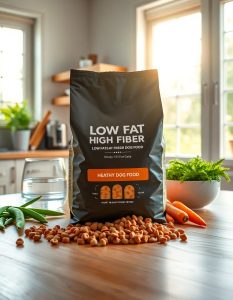
As dogs grow older, their nutritional needs shift, reflecting changes in metabolism, activity levels, and overall health. For many senior dogs, managing weight and supporting digestion become priorities, which is why choosing the right food is crucial. Low fat senior dog food offers a great way to help older pets maintain a healthy weight while providing essential nutrients for their golden years. Whether your furry friend is slowing down or has developed specific health concerns, selecting the appropriate diet can make a significant difference in their comfort and vitality.
Why Choose Low Fat Senior Dog Food?
Older dogs often experience a decrease in activity, leading to lower calorie needs. If their diet remains the same as during their younger days, excess fat and calories can quickly result in weight gain. Carrying extra pounds can stress joints, worsen arthritis, and lead to other health conditions like diabetes. Low fat senior dog food helps prevent these issues by providing energy without unnecessary fats.
In addition, some senior dogs may have trouble digesting fats due to changes in their liver or pancreas functions. Feeding them a lower fat diet can ease digestive strain and reduce the risk of pancreatitis, which can be quite serious.
Benefits of Low Fat Diets for Older Dogs
- Weight management: Helps maintain a healthy weight, reducing stress on joints.
- Better digestion: Easier on the stomach and pancreas, promoting gut health.
- Heart health: Low fat content supports cardiovascular function.
- Energy balance: Provides just enough calories to keep your dog active without excess.
Important Nutrients in Senior Dog Food
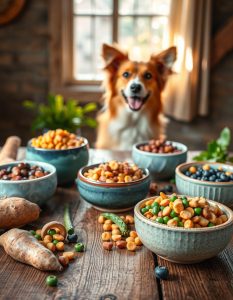
While fat content is important, it’s not the only factor. A senior dog’s diet should include specific nutrients that support aging bodies. Here’s a quick look at what to keep an eye on:
| Nutrient | Why It Matters |
|---|---|
| Protein | Preserves muscle mass and supports immune function. |
| Fiber | Improves digestion and helps regulate weight. |
| Omega-3 Fatty Acids | Reduces inflammation and supports joint health. |
| Antioxidants | Help fight cellular damage and boost immunity. |
Finding a low fat senior dog food that balances these nutrients will help your pet feel their best and stay healthy through their senior years.
Top Low Fat Senior Dog Food Options
There are many dog foods on the market, but not all are suitable for older dogs needing lower fat content. Here’s a list of some trusted options that have earned good reviews:
1. Hill’s Science Diet Adult 7+ Healthy Weight
This formula offers reduced calories and fat while providing high-quality protein. It also includes antioxidants for immune support and natural fibers to promote digestion. Many dog owners praise it for helping their pets shed excess weight without feeling hungry.
2. Blue Buffalo Life Protection Healthy Weight Senior
Blue Buffalo uses wholesome ingredients and includes glucosamine and chondroitin for joint support. With controlled fat and added vitamins, it’s a solid choice for less active seniors.
3. Nutro Ultra Weight Management Senior
Known for its blend of natural ingredients, Nutro Ultra provides moderate fat content and focuses on lean protein. It’s great for dogs who need weight control without sacrificing nutrition.
4. Wellness CORE Reduced Fat Senior
A grain-free option with fewer calories and fat, this food emphasizes protein from turkey and chicken. It’s packed with antioxidants and omega fatty acids to promote overall health.
How to Transition Your Dog to Low Fat Senior Dog Food
Switching your senior dog to a low fat diet shouldn’t be rushed. Dogs can be picky, and abrupt food changes might upset their stomach. Consider a gradual transition over 7 to 10 days by mixing increasing amounts of the new food with their current diet. This approach helps prevent digestion issues and allows your dog to adjust to the taste and texture.
Also, keep an eye on their weight and energy levels during the transition. If you notice any problems like diarrhea, refusal to eat, or lethargy, consult your vet right away.
Additional Tips for Managing Senior Dog Health
- Regular exercise: Even light walks or gentle play sessions keep muscles strong and joints limber.
- Hydration: Ensure fresh water is always available; older dogs can be prone to dehydration.
- Routine vet visits: Regular check-ups are essential to catch age-related problems early.
- Dental care: Oral health is often overlooked but plays a big role in overall wellness.
Interestingly, if you’re curious about different diet approaches that emphasize meat and protein, you might enjoy checking out a 7-day carnivore diet plan, which is highly popular for people looking to simplify their own diets.
Conclusion
Choosing the right food for your senior dog is one of the kindest things you can do to keep them happy and healthy. Low fat senior dog food provides essential benefits by helping maintain an ideal weight, supporting digestion, and reducing strain on their aging bodies. By combining proper nutrition with regular exercise and vet care, you’ll give your furry friend the best chance to enjoy their later years comfortably.
Remember, every dog is unique, so watch for individual reactions and consult your vet when making dietary changes. Your older pet deserves the utmost care, and the right low fat diet is a great starting point.