



Gallbladder Stone Diet Chart: Low Fat Foods to Avoid and Tips for Eating Avocado or Eggs

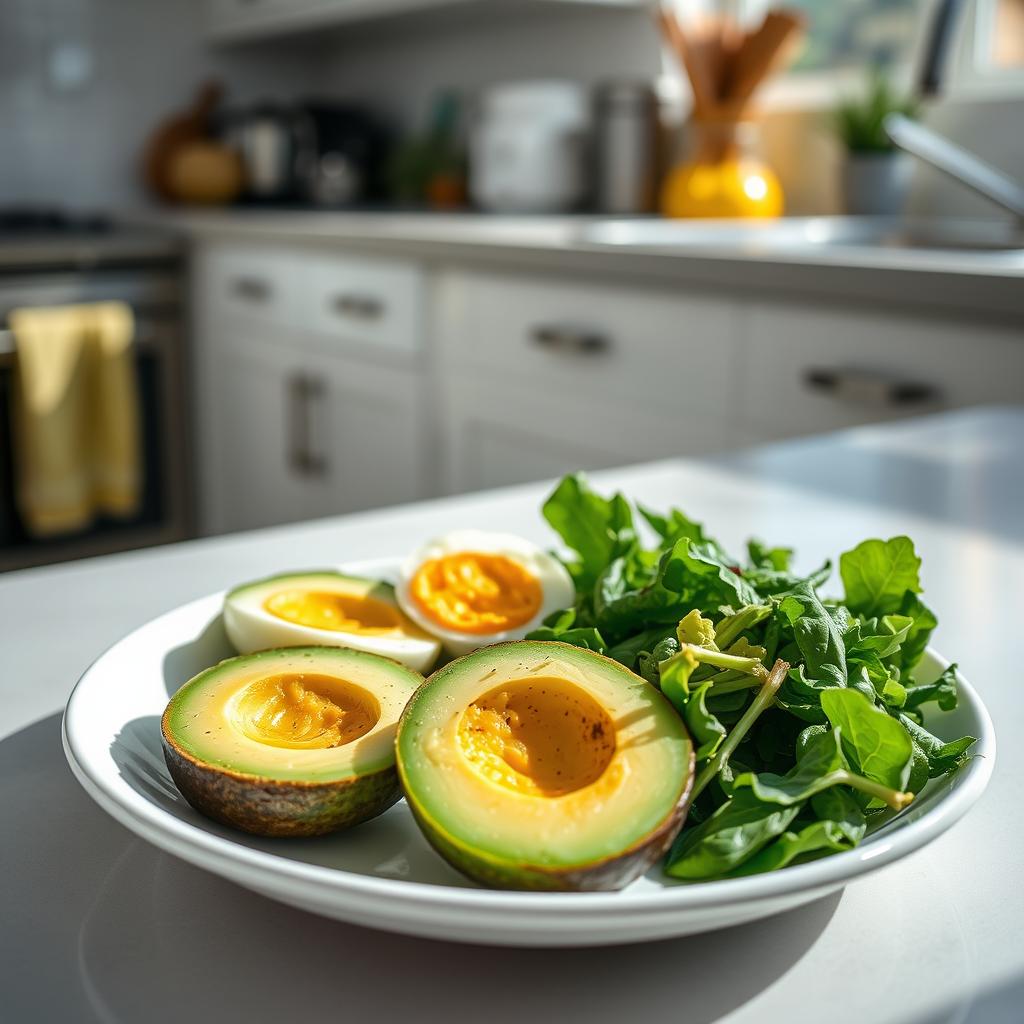
Gallstones can be a painful and disruptive health issue, often resulting from poor dietary and lifestyle habits. Following a gallbladder stone diet chart can play a key role in preventing gallstones and promoting better digestive health. If you’ve ever wondered how your meals affect your gallbladder or want to avoid the discomfort they can cause this guide is for you. A well-planned diet is one of the best defenses, focusing on low-fat, nutrient-rich foods while avoiding common triggers like fried items, chocolate, and high-cholesterol dishes.
Lean Proteins Think grilled chicken, fish, and legumes over fatty cuts of meat. Fiber-Rich Choices Vegetables like spinach, broccoli, and carrots, and whole grains such as quinoa and oats, promote digestion and help prevent gallstone formation. Low-Fat Dairy Substitute heavy creams for low-fat yogurt or milk in your recipes. Healthy Fats Avocados and nuts can be eaten in moderation to provide essential nutrients without overloading your system. For readers recovering from gallbladder removal, dietary adjustments are crucial.
Ease into meals with gentle, easily digestible options like lean proteins, eggs, and low-fat soups. You might also explore meal plans tailored to post-recovery needs, including an anti inflammatory diet breakfast, for a nutrient-packed start to your day. A proactive diet isn’t just about avoiding gallstones it’s about empowering your digestion and ensuring long-term health. Why not reimagine your meals today?
Understanding Gallstones and Their Impact
Common Symptoms of Gallstones
- Sudden, sharp pain in the upper right abdomen or center of your stomach
- Nausea or vomiting
- Digestive issues like bloating and indigestion
- Yellowing of the skin and eyes (jaundice), in severe cases
- Fever and chills if a gallstone causes an infection
Ignoring these symptoms can lead to complications, such as gallbladder inflammation, infections, or blockages in the bile ducts. That’s why managing gallstones early is crucial.
Why Your Diet Matters
Your food choices play an essential role in preventing and managing gallstones. Diets high in saturated fats and cholesterol found in fried foods, chocolate, and fatty cuts of meat can exacerbate gallstone formation. On the other hand, incorporating high-fiber vegetables, lean proteins, and low-fat foods into your diet can promote gallbladder health.
Wondering how to balance your meals effectively? Structured plans like the carnivore diet 7-day meal plan have gained attention for their focus on clean, nutrient-rich eating. While not ideal for everyone, these meal plans can be tailored to support your unique digestive health needs.
By making informed dietary choices, you can reduce your chances of gallstone-related complications and support your overall digestive system health. Remember, always consult a healthcare professional to ensure your diet aligns with your medical needs.
Foods to Avoid with Gallstones
Common High-Fat Foods to Avoid
- Fried Foods: French fries, fried chicken, tempura these foods are loaded with unhealthy fats that strain the digestive system.
- Fatty Meats: Cuts like pork belly, sausage, and ribeye steak are high in saturated fats and cholesterol.
- Full-Fat Dairy: Whole milk, cream, cheese, and butter can be difficult to digest and contribute to gallstone discomfort.
- Processed Snacks: Chips, pastries, and other pre-packaged snack foods often contain trans fats and artificial additives.
- High-Cholesterol Foods: Duck, cream-based sauces, or organ meats like liver are best avoided due to their cholesterol content.
But why exactly are these foods problematic for gallstone sufferers? They work your gallbladder harder than necessary, attempting to process and break down the fat content. This can lead to bile duct blockages or worsen irritation. By avoiding such items, you reduce the burden on your digestive tract, making life much easier.
Quick Reference Table
Here’s a helpful guide to the foods you should steer clear of. Bookmark this handy table or print it out for your next grocery trip!
| Food Category | Examples | Why to Avoid |
|---|---|---|
| Fried Foods | French fries, fried chicken, onion rings | High in unhealthy fats that strain digestion |
| Fatty Meats | Sausage, bacon, pork belly | Saturated fats can worsen symptoms |
| Full-Fat Dairy | Whole milk, heavy cream, butter | Rich in fats, hard to digest |
| Processed Foods | Chips, pastries, snack cakes | Contain trans fats and additives |
| High-Cholesterol Foods | Duck, liver, cream sauces | Elevates cholesterol levels in bile |
Taking a mindful approach and cutting out these foods can make a world of difference for your symptoms. It might feel restrictive at first, but with creativity in meal planning, you’ll soon discover new dishes that both satisfy your cravings and support your health!
Low Fat Diet for Gallbladder Health: APath to Wellness
Did you know that the type and amount of fat you consume can profoundly impact your gallbladder health? If you’re managing gallstones or focused on prevention, adopting a low-fat diet isn’t just a recommendation it’s a key lifestyle change that can help you avoid discomfort and promote digestive harmony. Here’s why limiting fat in your daily meals matters, along with actionable tips to integrate this approach seamlessly into your routine.

How Fat Influences Your Gallbladder
Your gallbladder plays an essential role in digesting fats by storing and releasing bile. But when fat intake is excessive particularly from foods high in cholesterol or saturated fats it stresses the gallbladder and can lead to gallstone formation. These stones might trigger pain, nausea, and digestive troubles. If your gallbladder has been removed, maintaining a low-fat diet reduces strain on your digestive system, ensuring smoother processing of food.
Daily Fat Intake Recommendations
So, how much fat should you aim for in a day? A general guideline for most individuals managing gallstones or gallbladder health is to keep your total fat consumption below 30% of your daily caloric intake. For example, if you consume 2,000 calories per day, limit fats to around 60 grams. Balancing this with nutrient-rich, fiber-packed foods can promote digestion and overall health.
Essential Tips for Eating Low Fat
- Choose lean proteins such as chicken breast, turkey, tofu, and fish over fatty meats.
- Trade full-fat dairy for low-fat alternatives like skim milk and yogurt.
- Incorporate high-fiber foods, such as leafy greens, oats, and beans, to aid digestion.
- Opt for cooking methods like baking, steaming, or grilling rather than frying.
- Be mindful of portion sizes sometimes, less is more when it comes to fatty foods.
Quick Comparison of Fat Content in Common Foods
| Food Item | Fat Content (per serving) | Recommended Alternative |
|---|---|---|
| Cheddar Cheese (1 oz) | 9 grams | Low-fat Cottage Cheese (1 oz) – 2 grams |
| Fried Chicken (1 piece) | 13 grams | Baked Chicken Breast (1 piece) – 3 grams |
| Chocolate Bar (1.5 oz) | 12 grams | Fresh Fruit (1 medium apple) – 0 grams |
Remember, small adjustments can pack a big punch when it comes to gallbladder health. By embracing low-fat food choices and avoiding fatty temptations, you’re taking proactive steps toward a happier, well-functioning digestive system. Why not start today?
Gallbladder Stone Diet Chart: Sample Meals, Portion Guidelines, and Balanced Eating
Managing gallbladder stones or maintaining gallbladder health can feel overwhelming, especially when you’re unsure about where to start. But don’t worry building a structured, low-fat diet doesn’t mean sacrificing variety or flavor. Below, we provide a sample daily diet chart and practical tips to help you create balanced meals that nourish your body while being gentle on your digestive system.

Key principles to keep in mind: focus on lean proteins, fiber-rich vegetables, whole grains, and easily digestible foods. Portion control plays a vital role in minimizing digestive strain, so dividing meals into smaller, frequent portions is ideal. Curious about what a full day of gallbladder-friendly eating might look like? Here’s a sample plan to guide you:
| Meal | Time | Suggested Options | Portion Size |
|---|---|---|---|
| Breakfast | 7:00 AM |
|
1 cup oatmeal, 1 banana, 1 egg |
| Morning Snack | 10:00 AM |
|
1 medium apple, 5-6 walnut halves |
| Lunch | 12:30 PM |
|
4 oz chicken, 1 cup quinoa salad, 1 cup broccoli |
| Afternoon Snack | 3:00 PM |
|
1/2 cup yogurt, 1/4 cup blueberries |
| Dinner | 6:30 PM |
|
4 oz salmon, 1 cup spinach, 1/2 cup rice |
| Evening Snack | 8:00 PM |
|
1 slice toast, 1/4 avocado, 1 cup tea |
Tips for Success:
- Balance & Variety: Experiment with different vegetables, grains, and lean proteins to keep meals interesting.
- Watch Portions: Avoid oversized servings; stick to the recommended amounts in the chart above.
- Stay Hydrated: Drink plenty of water to support digestion and maintain overall health.
- Know Your Tolerance: Foods like avocado and eggs, though nutritious, might not suit everyone adjust based on your body’s response.
This diet chart not only helps with gallstones prevention and gallbladder health but also supports a gradual recovery journey after gallbladder removal surgery. Remember, it’s always a good idea to consult with your healthcare provider or dietitian to adapt these suggestions to your specific needs.
Can I Eat Avocado with Gallstones?
- Portion Control: Stick to 1/4 to 1/3 of an avocado per serving to keep fat intake low. Pair small portions with lean proteins or fiber-rich vegetables to balance your meal.
- Serving Suggestions: Mash a small amount on whole-grain toast, add to a veggie-packed salad, or blend into a low-fat smoothie for flavor without overloading your fat limit.
- When to Avoid: If your doctor advises an ultra-low-fat diet or if avocados trigger digestive discomfort, it’s best to hold off.
By practicing portion control and choosing strategic pairings, you can still enjoy avocados in moderation without compromising your gallbladder health. As always, consult your healthcare provider for personalized advice.
Can I Eat Eggs with Gallstones?
Are Eggs Safe with Gallstones?
Eggs are generally considered safe for many individuals with gallstones, as long as they’re prepared mindfully. The yolks, however, contain cholesterol and fats that might not sit well with some people experiencing symptoms like bloating or digestive discomfort. If you’ve had reactions in the past, you might want to monitor how your body responds and consult with your doctor or dietitian.
Cooking Tips and Serving Size
To minimize potential discomfort, opt for low-fat cooking methods like boiling, poaching, or making egg-white omelets. Avoid frying or adding high-fat ingredients like cheese or butter. Use non-stick pans or sprays to keep preparation simple and light. Stick to one or two eggs per serving and balance your plate with high-fiber sides, like steamed vegetables or whole-grain toast, to support digestion.
Alternative Options
If eggs don’t work for you, there are plenty of substitutes! Try plant-based alternatives like tofu scrambles seasoned with turmeric for a similar texture or experiment with chickpea flour to make protein-rich, egg-less omelets. These swaps are not only gallstone-friendly but also packed with nutrients.
Remember, everyone’s body responds differently keep an open dialog with your healthcare provider and trust your instincts when tailoring your diet for optimal gallbladder health.
Diet for Gallstones: General Tips and FAQs
Safe and Beneficial Foods
- Fiber-rich options: Vegetables like broccoli, green beans, and carrots are excellent choices. Whole grains such as quinoa and oats also help regulate digestion and keep you fuller longer.
- Lean proteins: Skinless poultry, fish, and tofu are great sources of protein that won’t burden your digestive system. Eggs (in moderation) can also be safe for many individuals.
- Healthy fats: While fat needs to be limited, certain types like those found in avocados can be enjoyed in small quantities. Their nutrient profile makes them a better alternative to saturated fats.
- Low-fat dairy: Opt for low-fat milk, yogurt, and cheese to maintain calcium intake without triggering gallstone-related symptoms.
Hydration and Lifestyle Tips
Drinking plenty of water is essential for gallstone prevention. Staying hydrated helps your body efficiently process fats and flush toxins. Complement this with regular exercise to maintain a healthy weight, which is pivotal for reducing gallstone risk. Aim for balanced meals and avoid skipping meals, as inconsistent eating patterns can contribute to bile buildup and gallstone formation.
FAQs About Gallstone Diets
- Can I eat chocolate? Chocolate is high in saturated fat, so it’s best to avoid it or stick to very small portions occasionally.
- Are avocados safe to eat? Yes, in moderation. While they contain fats, these are the healthier, unsaturated types that can be beneficial in small servings.
- Should I completely avoid fats? Not entirely. Your body needs some fats, but focus on unsaturated fats found in nuts, seeds, and olive oil.
When Should You Consult a Doctor or Dietitian?
It’s always wise to seek personalized advice, especially if gallstones are causing significant discomfort. A healthcare professional can tailor a diet for gallbladder health that matches your individual needs, ensuring you’re on the right path to recovery and long-term well-being.


