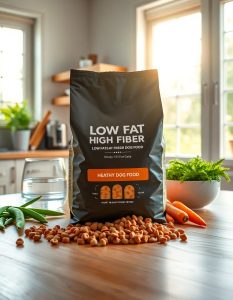


Healthy Low Fat Canned Dog Food


Choosing the right food for your dog can sometimes feel like decoding a secret message. With so many options out there, it’s important to find something that supports your dog’s health without filling them up on unnecessary fats. Low fat canned dog food is a great choice for pet owners who want to help their furry friends maintain a healthy weight or manage certain medical conditions. This kind of food balances taste, nutrition, and ease of digestion in a convenient form.
Why Choose Low Fat Canned Dog Food?
Fat is an essential nutrient for dogs, providing energy and helping absorb vitamins. However, too much fat can lead to weight gain, pancreatitis, or other health issues. That’s where low fat canned dog food steps in. It offers the benefits of canned foods like higher moisture content, which helps with hydration, while keeping fat levels lower to support better overall health.
Switching to or incorporating low fat canned dog food can help dogs who are overweight, have sensitive stomachs, or suffer from illnesses that require dietary fat restrictions. Plus, canned food often smells and tastes better to dogs, which means picky eaters may be more willing to chow down.
Benefits of Low Fat Canned Dog Food
- Weight Management: Fewer calories from fat can help your dog lose weight or maintain a healthy size.
- Better Digestion: Low fat diets can ease digestive problems, especially in dogs prone to pancreatitis.
- Hydration Support: High moisture content helps keep your dog hydrated, especially important for older dogs or those with kidney issues.
- Palatability: Many dogs find canned food tastier, making it easier to get them to eat nutrient-rich meals.
What to Look for in Low Fat Canned Dog Food
When shopping for low fat canned dog food, it’s important to check the nutrition label carefully. Look for products with fat content clearly marked and compare brands to find the best option that matches your dog’s needs. Also, pay attention to the protein source since good protein supports muscle health and overall vitality.
| Criteria | What to Check | Why It Matters |
|---|---|---|
| Fat Content | Less than 10% on a dry matter basis | Helps control weight and reduce strain on organs |
| Protein Source | High quality meat or fish | Supports muscle maintenance and energy |
| Moisture | 75% – 85% | Helps with hydration and kidney health |
| Added Ingredients | Limited fillers, no artificial colors or flavors | Better for digestion and overall health |
Common Ingredients to Avoid
Even in low fat options, some ingredients might cause more harm than good. Avoid canned foods with excessive fillers like corn or wheat, as these offer little nutritional value and may cause allergies. Also, watch out for artificial preservatives or colors, which don’t provide any benefits and could irritate sensitive stomachs.
How to Transition Your Dog to Low Fat Canned Dog Food
Dogs can be notorious for resisting change, especially when it comes to their meals. To switch your dog to low fat canned dog food without drama, start slowly. Mix a small amount of canned food with their current diet, gradually increasing the new food’s portion over one to two weeks. This helps avoid upset stomachs and lets your dog get used to the different textures and smells.
Offering the canned food slightly warmed can also entice your dog, as it releases aromas that tickle their nose. Remember, patience is a virtue — some dogs take longer than others to adjust, and a little persistence goes a long way.
Storing and Serving Tips
Since canned dog food can spoil quickly once opened, proper storage is key. Transfer uneaten portions to an airtight container and refrigerate. Use within two to three days to ensure freshness and prevent bacterial growth. Serving the food at room temperature or slightly warmed improves palatability and digestion.
Feeding Schedule Suggestions
- Adult Dogs: Feed two meals a day, splitting the daily recommended amount evenly.
- Puppies: Offer three to four smaller meals daily to match their higher energy needs.
- Seniors: Consult your vet, but typically smaller, frequent meals work best.
A Quick Comparison: Dry Food vs. Low Fat Canned Dog Food
| Feature | Dry Food | Low Fat Canned Dog Food |
|---|---|---|
| Fat Content | Varies, often higher | Generally lower |
| Moisture Level | 10% – 12% | 75% – 85% |
| Palatability | Good, but less aroma | Usually better due to aroma and texture |
| Storage | Easy, lasts long | Requires refrigeration after opening |
| Price | Generally less expensive | Can be pricier per serving |
Switching to low fat canned dog food can be a useful part of a healthy eating plan for many dogs. Just like humans benefit from choosing low fat mozzarella cheese options to keep meals tasty and healthy, dogs too thrive on balanced meals that support their health without extra fat. For more food ideas that combine taste and health, check out some low fat mozzarella cheese options that show how good low fat can be.
Conclusion
Finding the right diet for your dog doesn’t have to be a headache. Low fat canned dog food offers a smart way to support your dog’s health, especially if they need to lose weight or avoid digestive problems. It combines hydration, flavor, and balanced nutrition in a convenient package. Remember to check labels, introduce new foods gradually, and keep your dog’s individual needs in mind.
With some attention to detail and a bit of patience, you can help your furry friend enjoy meals that not only satisfy their taste buds but also keep them feeling their best for years to come.