

Gastrointestinal-Friendly Low Fat Dog Food


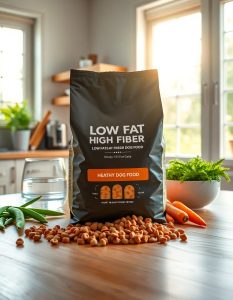
Feeding a dog with sensitive stomach issues can be quite the challenge. Choosing the right food that supports digestive health while keeping fat content low is essential for many pet owners. Gastrointestinal low fat dog food is formulated to soothe and protect your dog’s digestive tract without sacrificing nutrition or flavor. Whether your furry friend is recovering from illness, dealing with chronic digestive troubles, or simply needs a gentler diet, this type of food offers a balanced approach to pet nutrition.
Understanding Gastrointestinal Low Fat Dog Food
Dogs with sensitive stomachs often struggle to process high-fat meals, which can lead to upset tummies, diarrhea, or vomiting. Gastrointestinal low fat dog food contains fewer fats and oils, making it easier for their system to digest. These diets focus on ingredients that support gut health, reduce inflammation, and provide all necessary nutrients in a gentle form.
What makes gastrointestinal low fat dog food unique is the careful selection of ingredients that are simple yet nourishing. These formulas are commonly rich in easily digestible proteins and carbohydrates, and they leave out ingredients that might aggravate the digestive tract.
Why Low Fat Matters for Dogs with Digestive Issues
Fat is a major source of energy for dogs, but too much fat can stress their pancreas and intestines. When a dog has pancreatitis or other gastrointestinal troubles, diets high in fat can trigger flare-ups or worsen symptoms. Reducing fat intake allows the digestive system to rest and recover, leading to better overall health.
Low fat diets help in:
- Reducing the workload on the pancreas
- Preventing fatty stools and diarrhea
- Controlling weight gain, which supports joint and heart health
- Improving nutrient absorption by calming the gut
Key Ingredients in Gastrointestinal Low Fat Dog Food
Choosing the right ingredients is like putting together a puzzle. Each piece plays a role in ensuring your dog’s digestive system stays calm and well-nourished.
| Ingredient | Role | Why It’s Good for Sensitive Dogs |
|---|---|---|
| Lean Protein (Chicken, Turkey, Fish) | Builds muscle and supports immune health | Low fat, easy to digest, and less likely to cause allergies |
| Rice or Oatmeal | Provides carbohydrates for energy | Gentle on the stomach and helps regulate digestion |
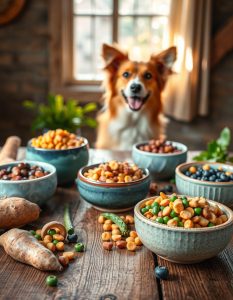
| Limited Vegetables (Pumpkin, Carrots) | Offers fiber and vitamins | Aids bowel movement and soothes the gut lining |
| Probiotics | Supports good gut bacteria | Helps maintain a balanced digestive system and reduces inflammation |
For lean protein, many formulas use turkey breast for its low fat profile and high digestibility. In fact, you might want to check out this low sodium turkey breast as a great example of a healthy protein source that benefits sensitive digestion.
What to Avoid in Your Dog’s Food
While it’s tempting to grab just any brand that claims to be “healthy,” certain ingredients should be kept off your dog’s plate, especially if they have gastrointestinal sensitivities.
- High fat content: Avoid foods with excessive oils, animal fats, or added grease.
- Artificial additives: Preservatives, colors, and flavors can irritate the digestive tract.
- Grains that cause bloating: Corn and wheat can be harder to digest for some dogs.
- Dairy: Many dogs are lactose intolerant and dairy can cause upset.
Signs Your Dog May Benefit from Gastrointestinal Low Fat Dog Food
If your dog’s tummy troubles make you feel like you’re constantly putting out fires, switching to a gastrointestinal low fat dog food might be just what the vet ordered. Look for these signs:
- Frequent vomiting or diarrhea
- Loss of appetite or weight fluctuation
- Flatulence or bloating after meals
- Lethargy or discomfort following eating
Switching a dog’s diet isn’t a magic pill, but many pet owners notice improved energy and fewer digestive upset episodes after making the change. Always consult your vet before switching foods, especially if your dog has a medical diagnosis.
How to Transition Your Dog’s Diet
Changing your dog’s food should be done gradually to avoid additional stomach upset. Here is a simple schedule you can follow:
| Days | Food Mix |
|---|---|
| 1-3 | 75% old food, 25% new gastrointestinal low fat dog food |
| 4-6 | 50% old food, 50% new food |
| 7-9 | 25% old food, 75% new food |
| 10+ | 100% new gastrointestinal low fat dog food |
This method helps your dog’s digestive system adjust to the new ingredients without shock or negative reactions.
Additional Tips for Supporting Your Dog’s Digestive Health
Besides feeding the right kind of food, there are other ways to keep your dog’s digestive system happy:
- Regular feeding times: Keep meal schedules consistent to prevent tummy rumblings and upset.
- Smaller portions: Feeding smaller meals throughout the day can ease digestion.
- Hydration: Plenty of fresh water encourages smooth digestion and nutrient transport.
- Exercise: Moderate activity helps stimulate digestion and reduces constipation.
Remember, each dog is unique, and some trial and error may be needed to find the perfect fit. Patience is key when soothing a sensitive stomach.
Conclusion
Gastrointestinal low fat dog food provides a gentle, nourishing option for dogs struggling with digestive issues or pancreatitis. By focusing on lean proteins, easily digestible carbs, and gut-friendly ingredients, these diets help ease discomfort while sustaining good health. Avoiding high fat and irritants plays a huge role in allowing your dog’s digestive system to recover and thrive.
Switching to a gastrointestinal low fat dog food can feel like solving a tricky puzzle, but the payoff is well worth it—less tummy trouble, a happier pup, and peace of mind for you. With proper care, your dog can enjoy meals that are as kind to their stomach as they are tasty, proving that a low fat diet can actually be a high point in their day!