

Prescription-Grade Low Fat Dog Food


Choosing the right food for your dog can sometimes feel like a juggling act, especially when health issues come into play. Dogs with certain medical conditions often require a special diet to keep them healthy and happy. One such option many vets recommend is prescription-grade low fat dog food. This type of diet helps manage weight, supports digestive health, and keeps the heart in good shape. If your furry friend needs a low-fat diet, understanding what low fat prescription dog food really means and how it benefits your pet is essential.
What Is Low Fat Prescription Dog Food?
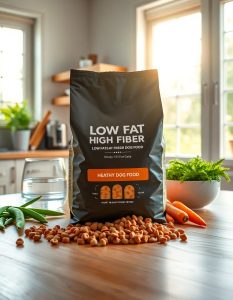
Low fat prescription dog food is a specialized kind of diet created by veterinary nutritionists. Unlike regular over-the-counter dog food, these formulas have carefully controlled fat content to meet specific health needs. Because these foods are made for medical reasons, you usually need a vet’s prescription to get them. They help dogs with problems like pancreatitis, obesity, or liver disease by limiting fat intake while still providing essential nutrients.
Why Does Fat Matter in Your Dog’s Diet?
Fat is a vital part of most diets; it provides energy and helps absorb vitamins. However, too much fat can cause or worsen some health problems in dogs. For example, dogs with pancreatitis—a painful inflammation of the pancreas—need to avoid high-fat foods to prevent flare-ups. Also, overweight dogs benefit from low fat diets to shed pounds without feeling hungry or missing key nutrients.
How Low Fat Prescription Dog Food Helps
This type of food is crafted to have fewer calories from fat, usually under 10-15%, compared to regular dog food that can have much more. By cutting back fat, it reduces stress on your dog’s organs and helps manage their weight. At the same time, these formulas contain the right balance of protein, fiber, and vitamins to keep your pet strong and healthy.
Who Needs Low Fat Prescription Dog Food?
If your dog has one or more of the following conditions, your vet might recommend a switch to low fat prescription dog food:
- Pancreatitis
- Obesity or weight management
- Liver disease
- Hyperlipidemia (high fat levels in blood)
- Malabsorption issues
Dogs with these health concerns often feel better and live longer with the right diet. Feeding them regular dog food loaded with fat could cause serious health problems or painful episodes.
How to Transition Your Dog’s Diet
Changing a dog’s diet to prescription-grade low fat dog food should be done slowly to avoid upset tummies. A gradual mix of the old and new food over 7-10 days usually works best. If your dog shows signs of refusal or digestive distress, consult your vet for advice. Patience here is key because a healthy diet change can really improve your dog’s quality of life.
Understanding the Ingredients
Prescription low fat dog foods tend to include lean protein sources like chicken, turkey, or fish. These proteins provide energy without extra fat. They also often contain high-quality carbohydrates and fibers to help with digestion. Vitamins and minerals get added to keep your dog’s immune system strong and their coat shiny.
Here’s a quick look at typical ingredients in low fat prescription dog food:
| Ingredient | Purpose |
|---|---|
| Chicken or Fish | Lean protein for muscle maintenance |
| Brown Rice or Barley | Good carbohydrate source for energy |
| Beet Pulp or Pumpkin | Source of dietary fiber for digestion |
| Vitamins (A, D, E) | Support immune health and skin |
| Omega-3 Fatty Acids | Help reduce inflammation |
Benefits Beyond Health
Feeding your dog low fat prescription dog food isn’t just about fixing health issues. This diet can also help your dog feel more energetic and comfortable day-to-day. Dogs with painful conditions like pancreatitis often perk up when fed foods that don’t trigger their symptoms. Plus, when your dog is healthy and happy, you’ll enjoy many more playful moments together.
One interesting tip: if you’re curious about managing calories in your own diet, you might want to check out chorizo and eggs calories. It’s always fun to compare notes on healthy eating, no matter if it’s for humans or pups!
Common Brands and Options
Several pet food companies offer prescription low fat formulas, often available through your vet’s office or specialty pet stores. Here are some popular options you might hear about:
- Hill’s Prescription Diet i/d Low Fat
- Royal Canin Veterinary Diet Gastrointestinal Low Fat
- Purina Pro Plan Veterinary Diets EN Gastroenteric Low Fat
Each brand has its own recipe, but they all focus on reducing fat and supporting digestive health. Your vet will help you pick the best one based on your dog’s needs and preferences.
Tips for Feeding Low Fat Prescription Dog Food
- Follow Your Vet’s Instructions: Always stick to recommended portions and feeding schedules.
- Monitor Your Dog’s Weight: Keep an eye on weight changes and body condition; adjust as needed with vet guidance.
- Avoid Table Scraps: Extra fatty treats or human food can spoil the benefits of low fat diets.
- Stay Consistent: Switching back and forth between foods can cause digestive upset.
- Regular Vet Checkups: Keep routine appointments to track your dog’s health and diet effectiveness.
Conclusion
Prescription-grade low fat dog food is a smart choice for dogs that need special care due to health concerns involving fat intake. By cutting down on fat while providing balanced nutrition, these foods support your dog’s recovery, comfort, and overall well-being. Remember, any change to your dog’s diet should be made with vet guidance to ensure the best results. With the right nutrition, your furry friend can enjoy a healthier, happier life full of tail wags and cozy cuddles.